زينسين 250 مجم 6 قرص مغلف
Zencin 250 Mg 6 Film-Coated Tablet
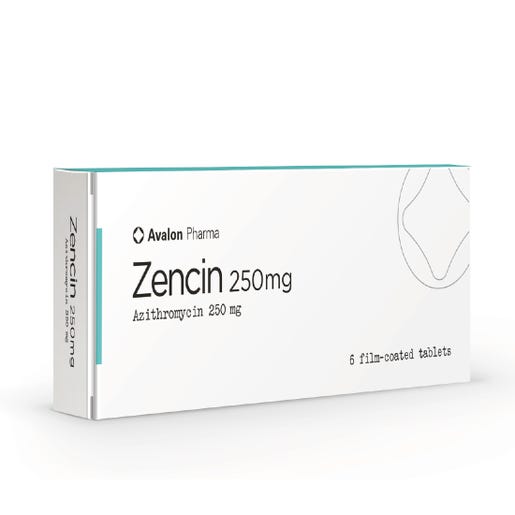
29.35 ر.س (SAR) · متوفر · توصيل مجاني في نفس اليوم
العلامة التجارية: زينسين | Zencin
القسم: أقراص وكبسولات
الوصف
وصف المنتج: 1. ما هو زينسين وما هو استخدامه يحتوي زينسين على أزيثروميسين وهو واحد من مجموعة من المضادات الحيوية المعروفة باسم الماكروليدات. يستخدم لعلاج الالتهابات البكتيرية التي تسببها الكائنات الدقيقة مثل البكتيريا. وتشمل هذه تشمل هذه الالتهابات: التهابات الصدر مثل التهاب الشعب الهوائية والالتهاب الرئوي. التهابات الجيوب الأنفية أو الحلق أو اللوزتين أو الأذنين. التهابات خفيفة إلى متوسطة في الجلد والأنسجة الرخوة، مثل عدوى بصيلات الشعر (التهاب الجريبات), العدوى البكتيرية في الجلد وطبقاته العميقة (التهاب النسيج الخلوي)، عدوى الجلد المصحوبة بالاحمرار اللامع تورم (الحمرة). الأمراض المنقولة جنسيًا التي تسببها كائنات حية تسمى المتدثرة الحثرية و النيسرية السيلانية. 2. ما تحتاج إلى معرفته قبل تناول Zencin لا تتناول زينسين إذا كنت تعاني من حساسية تجاه أزيثروميسين أو أي ماكرولايد آخر (مثل الإريثروميسين أو كلاريثروميسين) أو مضاد حيوي كيتوليد أو أي من مكونات هذا الدواء (المدرجة في القسم 6). قد يسبب قد يسبب رد فعل تحسسي طفحًا جلديًا أو أزيزًا. التحذيرات والاحتياطات تحدث إلى طبيبك أو الصيدلي قبل تناول زينسين إذا كنت سبق لك أن عانيت من رد فعل تحسسي خطير يسبب تورم الوجه والحلق، وربما مع مشاكل في التنفس أو طفح جلدي أو حمى أو تورم الغدد أو زيادة في الحمضات (نوع معين من من خلايا الدم البيضاء). لديك مشاكل حادة في الكلى: قد يغير طبيبك الجرعة. لديك مشاكل في الكبد: قد يحتاج طبيبك إلى مراقبة وظائف الكبد أو إيقاف العلاج. تعاني من الوهن العضلي الوبيل (ضعف عضلي موضعي). تم تشخيص إصابتك بمرض عصبي، وهو مرض يصيب الدماغ أو الجهاز العصبي. لديك مشاكل عقلية أو عاطفية أو سلوكية. تتناول أدوية تعرف باسم قلويدات الإرغوت (مثل الإرغوتامين)، والتي تستخدم لعلاج الصداع النصفي: لا يوصى بتناول أزيثروميسين (انظر "أدوية أخرى وزينسين أدناه"). بما أن أزيثروميسين قد يزيد من خطر الإصابة باضطراب في نظم القلب، يُرجى إخبار طبيبك إذا كنت تعاني من أي من المشاكل التالية قبل تناول هذا الدواء (خاصة إذا كنت أنثى أو مسنة) كنت على علم بتشخيص إصابتك بفاصل كيو تي المطول (وهي حالة قلبية تظهر على مخطط كهربية القلب أو جهاز تخطيط القلب): لا ينصح بتناول أزيثروميسين. كنت على علم بأنك تعاني من بطء أو عدم انتظام ضربات القلب، أو انخفاض في وظائف القلب (فشل القلب فشل القلب): لا ينصح بتناول أزيثروميسين. إذا كنت تعلم أن لديك مستويات منخفضة من البوتاسيوم أو المغنيسيوم في دمك: لا ينصح باستخدام أزيثروميسين لا ينصح به. تتناول أدوية تُعرف باسم مضادات عدم انتظام ضربات القلب (مثل الكينيدين والبروكيناميد والدوفيتيليد, الأميودارون، السوتالول: تُستخدم لعلاج اضطرابات نظم القلب غير الطبيعية)، أو سيسابريد (يستخدم لعلاج مشاكل المعدة ) أو تيرفينادين (مضاد للهستامين يستخدم لعلاج الحساسية)، أو مضادات الذهان (مثل بيموزيد)، أو مضادات الاكتئاب (مثل سيتالوبرام)، أو بعض المضادات الحيوية (مثل موكسيفلوكساسين, ليفوفلوكساسين) التي يمكن أن تؤثر على نظم القلب: لا يُنصح بتناول زنسين (انظر "أدوية أخرى" أدناه). الأدوية الأخرى وزينسين أدناه) إذا أصبت بإسهال حاد ومستمر أثناء العلاج أو بعده، خاصة إذا لاحظت وجود دم أو مخاط، أخبر طبيبك على الفور. إذا استمرت الأعراض لديك بعد انتهاء علاجك بزينسين، أو إذا لاحظت أي أعراض جديدة ومستمرة، اتصل بطبيبك. أدوية أخرى وزينسين أخبر طبيبك قبل تناول Zencin، إذا كنت تتناول أيًا من الأدوية المدرجة في القائمة أدناه: الوارفارين أو أي دواء مشابه لمنع تجلط الدم: يمكن أن يؤدي الاستخدام المصاحب إلى زيادة خطر النزيف. الإرغوتامين، ثنائي هيدروإرغوتامين (يستخدم لعلاج الصداع النصفي): الإرغوتية (أي الحكة في الأطراف, قد تحدث تشنجات عضلية وغرغرينا في اليدين والقدمين بسبب ضعف الدورة الدموية). لذلك لا يوصى بالاستخدام المصاحب. السيكلوسبورين (يُستخدم لتثبيط الجهاز المناعي لمنع وعلاج رفض العضو المزروع أو زرع النخاع العظمي): إذا كان الاستخدام المصاحب مطلوبًا، فسيقوم طبيبك بفحص مستويات بانتظام وقد يقوم بتعديل الجرعة. الديجوكسين (لفشل القلب): قد تزيد مستويات الديجوكسين. سيقوم طبيبك بفحص مستويات دمك. الكولشيسين (يستخدم للنقرس وحمى البحر الأبيض المتوسط العائلية). مضادات الحموضة (لعسر الهضم): يجب تناول زنسين قبل ساعة واحدة على الأقل من تناول مضادات الحموضة أو بعدها بساعتين. مضادات الحموضة. سيسابرايد (لمشاكل المعدة)، تيرفينادين (يستخدم لعلاج حمى القش): الاستخدام المصاحب مع أزيثروميسين قد يسبب اضطرابات في القلب. أدوية لعلاج عدم انتظام ضربات القلب (تسمى مضادات عدم انتظام ضربات القلب)، أو لخفض الكوليسترول (تسمى الستاتينات) مثل أتورفاستاتين. ألفنتانيل (يستخدم للتخدير) أو أستيميزول (يستخدم لعلاج حمى القش): قد يؤدي الاستخدام المصاحب مع أزيثروميسين قد يزيد من تأثير هذه المنتجات الطبية. أخبر طبيبك أو الصيدلي إذا كنت تتناول أو تناولت مؤخرًا أو قد تتناول أي أدوية أخرى. الحمل والرضاعة الطبيعية إذا كنتِ حاملاً أو مرضعة، أو تعتقدين أنك حامل أو تخططين لإنجاب طفل، أو تخططين لإنجاب استشيري طبيبك أو الصيدلي قبل تناول هذا الدواء. الحمل لا توجد معلومات كافية فيما يتعلق بسلامة أزيثروميسين أثناء الحمل. وبالتالي، لا يوصى بتناول أزيثروميسين إذا كنتِ حاملاً أو تخططين للحمل. حاملاً. ومع ذلك، قد يصفه الطبيب في ظروف خطيرة. الرضاعة الطبيعية يتم إفراز أزيثروميسين في حليب الأم، لذلك يجب عدم إرضاعك أثناء تناولك تناول أزيثروميسين، لأنه قد يسبب آثارًا جانبية بما في ذلك الإسهال والعدوى لدى طفلك. يوصى بالتخلص من الحليب أثناء العلاج وحتى يومين بعد التوقف عن العلاج. يمكنكِ استئناف الرضاعة بعد يومين من التوقف عن العلاج بأزيثروميسين. القيادة واستخدام الآلات قد يسبب أزيثروميسين الدوار والنوبات. إذا كنت مصابًا، فلا تقود السيارة أو تستخدم الآلات. 3. كيفية تناول أزيثروميسين تناول هذا الدواء دائماً كما أخبرك طبيبك أو الصيدلي تماماً. استشر طبيبك أو الصيدلي الطبيب أو الصيدلي إذا لم تكن متأكدًا. يجب إعطاء أقراص أزيثروميسين كجرعة يومية واحدة. يجب ابتلاع الأقراص ويفضل أن يكون ذلك مع شراب من الماء، ويمكن تناولها مع الطعام أو بدونه. زينسين 500 ملغ: لا يمكن تقسيم القرص إلى جرعات متساوية. الجرعة الموصى بها هي: البالغين (بما في ذلك المرضى الأكبر سنًا) والأطفال والمراهقين الذين يزيد وزنهم عن 45 كجم: الجرعة الموصى بها هي 1500 مجم مقسمة على 3 أو 5 أيام على النحو التالي: عند تناوله على مدار 3 أيام، 500 مجم مرة واحدة يوميًا. عند تناولها على مدى 5 أيام، 500 مجم كجرعة واحدة في اليوم الأول ثم 250 مجم مرة واحدة يوميًا في الأيام من 2 إلى 5. التهاب مجرى البول أو عنق الرحم الناجم عن الكلاميديا: 1000 مجم تؤخذ كجرعة واحدة, ليوم واحد فقط. بالنسبة للالتهابات في الجيوب الأنفية، يُوصى بالعلاج للبالغين والمراهقين البالغين 16 عامًا وما فوق. الأطفال والمراهقين الذين يبلغ وزن جسمهم 45 كجم فأقل: لا يتم وصف الأقراص لهؤلاء المرضى. يمكن استخدام أشكال صيدلانية أخرى من المنتجات المحتوية على أزيثروميسين (مثل المعلقات). المرضى الذين يعانون من مشاكل في الكلى أو الكبد: يجب عليك إخبار طبيبك إذا كنت تعاني من مشاكل في الكلى أو الكبد حيث قد يحتاج طبيبك إلى تغيير الجرعة العادية. استمر دائماً في تناول الجرعة حتى لو شعرت بتحسن. إذا تفاقمت العدوى لديك أو لم تشعر بتحسن في غضون أيام قليلة أو إذا ظهرت عدوى جديدة، فارجع إلى طبيبك. إذا تناولت دواء زينسين أكثر مما يجب إذا ابتلعت (أو ابتلع شخص آخر) الكثير من الأقراص بالكامل، أو إذا كنت تعتقد أن أحد الأطفال قد ابتلع أيًا من الأقراص، فاتصل بطبيبك أو الصيدلي على الفور. من المحتمل أن تؤدي الجرعة الزائدة أن تتسبب في فقدان السمع، والغثيان الشديد (الشعور بالغثيان) والقيء والإسهال. يُرجى أخذ هذه النشرة وأي أقراص متبقية والحاوية معك إلى المستشفى أو إلى أو الطبيب حتى يعرفوا الأقراص التي تم تناولها. إذا نسيت تناول زنسين إذا نسيت تناول قرص، فتناول قرصاً بمجرد أن تتذكر، إلا إذا اقترب موعد تناول القرص التالي تناول القرص التالي. لا تتناول جرعة مضاعفة لتعويض الجرعة المنسية. إذا توقفت عن تناول زنسين لا تتوقف عن تناول دوائك دون التحدث مع طبيبك أولاً حتى لو شعرت بتحسن. من المهم جدًا أن تستمر في تناول دواء زينسين طالما أخبرك طبيبك بذلك; وإلا فقد تعود العدوى مرة أخرى. إذا كان لديك أي أسئلة أخرى حول استخدام هذا المنتج، اسأل طبيبك أو الصيدلي. 4. الآثار الجانبية المحتملة مثل جميع الأدوية، يمكن أن يسبب هذا الدواء آثاراً جانبية، على الرغم من عدم إصابة الجميع بها. إذا حدث ما يلي، توقف عن تناول الأقراص وأخبر طبيبك على الفور أو اذهب إلى إلى قسم الطوارئ في أقرب مستشفى: غير شائع (قد يصيب ما يصل إلى 1 من كل 100 شخص): تفاعل جلدي شديد يسبب بثورًا/نزيفًا في الشفتين والعينين والأنف والفم والأعضاء التناسلية (متلازمة ستيفنز جونسون). اصفرار الجلد وبياض العينين والتعب وفقدان الشهية الذي قد يكون بسبب التهاب الكبد (التهاب الكبد). نادر (قد يصيب ما يصل إلى 1 من كل 1000 شخص): اصفرار الجلد أو العينين (اليرقان). الطفح الجلدي الذي يتميز بالظهور السريع لمناطق من الجلد الأحمر المرصع بـ بثرات صغيرة (بثور صغيرة مليئة بسائل أبيض/أصفر). نادر جداً (قد يصيب ما يصل إلى 1 من كل 10,000 شخص): طفح جلدي مصحوب بأعراض أخرى مثل الحمى وتورم الغدد وزيادة في الحمضات (نوع من خلايا الدم البيضاء). غير معروف (لا يمكن تقدير التكرار من البيانات المتاحة): رد فعل تحسسي (تورم في الشفتين أو الوجه أو الرقبة يؤدي إلى صعوبة شديدة في التنفس; طفح جلدي أو شرى). تقشير شديد في الجلد أو طفح جلدي مثير للحكة مع حلقات حمراء وردية اللون حول مركز شاحب (انحلال البشرة السمي انحلال البشرة النخري السام، حمامي متعددة الأشكال). اضطرابات في نظم القلب تسمى إطالة فترة كيو تي (تأخر توصيل الإشارات الكهربائية والذي يمكن رؤيته في مخطط كهربية القلب، وهو تسجيل كهربائي للقلب). يمكن أن يتطور هذا لدى بعض الأشخاص أن يتطور إلى حالة قلبية خطيرة محتملة تعرف باسم تورساد دي بوينتس. يمكن أن يؤدي ذلك يؤدي إلى تسارع شديد في ضربات القلب مما يؤدي إلى فقدان مفاجئ للوعي. عدم انتظام ضربات القلب الشعور بالضعف وضيق التنفس مع اصفرار الجلد الذي قد يكون بسبب انخفاض عدد خلايا الدم الحمراء بسبب التدمير (فقر الدم الانحلالي). الإسهال لفترات طويلة مع وجود دم ومخاط. آلام المعدة التي تنتقل إلى الظهر مع الشعور والإعياء الذي قد يكون سببه التهاب البنكرياس (التهاب البنكرياس). ألم في منتصف الظهر ومشاكل في إخراج الماء أو التهاب الكلى أو فشل كلوي ألم في الجزء العلوي الأيمن من المعدة مع الشعور والإعياء وتورم المعدة, اصفرار الجلد والعينين الذي قد يكون بسبب فشل الكبد (نادراً ما يهدد الحياة). النوبات. هذه آثار جانبية خطيرة للغاية. قد تحتاج إلى عناية طبية عاجلة أو دخول المستشفى. تم الإبلاغ عن الآثار الجانبية التالية: شائعة جداً (قد تصيب أكثر من 1 من كل 10 أشخاص): الإسهال. الشعور بالغثيان. ألم في البطن. انتفاخ البطن (الريح). شائع (قد يصيب ما يصل إلى 1 من كل 10 أشخاص): الصداع الدوخة، والشعور بالنعاس (النعاس)، واضطراب التذوق، والخدر أو الوخز بالإبر (باراستيسيا). اضطرابات بصرية. الصمم. المرض. عسر الهضم. الطفح الجلدي. الحكة. ألم المفاصل (ألم المفاصل). التعب. تغيرات في عدد خلايا الدم البيضاء في اختبارات الدم. انخفاض بيكربونات الدم. غير شائع (قد يصيب ما يصل إلى 1 من كل 100 شخص): انخفاض حاسة اللمس أو الإحساس (نقص الإحساس). تغيرات في وظائف الكبد. حساسية الجلد للضوء أكثر من المعتاد. التهابات الخميرة في الفم والمهبل (القلاع)، والتهابات المهبل، والالتهابات الفطرية، والالتهابات البكتيرية، والتهاب الحلق، والتهاب المعدة والأمعاء، وصعوبات التنفس صعوبات في التنفس، سيلان أو انسداد الأنف ردود فعل تحسسية مختلفة الشدة. فقدان الشهية. الشعور بالعصبية. الأرق (الأرق). اضطراب الأذن، الدوار. ضعف السمع بما في ذلك فقدان السمع. طنين الأذن (طنين في الأذنين). خفقان القلب. الهبّات الساخنة. التهابات متكررة متكررة مصحوبة بالحمى والقشعريرة والتهاب الحلق وتقرحات الفم، والتي قد تكون ناتجة عن انخفاض عدد الخلايا البيضاء في الدم. عدوى خطيرة في الرئة مصحوبة بأعراض مثل الحمى والقشعريرة وضيق التنفس والسعال والبلغم (التهاب رئوي). تورم عام. نزيف الأنف. الإمساك والتهاب بطانة المعدة (التهاب المعدة) وصعوبة البلع, الشعور بالانتفاخ، جفاف الفم، التجشؤ، تقرح الفم، زيادة اللعاب. الشرى، التهاب الجلد (التهاب الجلد)، جفاف الجلد، زيادة التعرق. آلام العظام والمفاصل، آلام العضلات، آلام الظهر، آلام الرقبة. ألم عند التبول، ألم في الكلى. نزيف غير طبيعي أو غير متوقع من المهبل. مشاكل في الخصيتين. فقدان عام للقوة، والشعور بالإعياء بشكل عام، وتورم الوجه، وألم في الصدر، والحمى, ألم، تورم في الأطراف السفلية. قيم اختبارات معملية غير طبيعية (مثل اختبارات الدم أو الكبد). مضاعفات ما بعد العملية. ضيق التنفس. نادر (قد يصيب ما يصل إلى 1 من كل 1000 شخص): الهياج. التهيج. غير معروف (لا يمكن تقدير التكرار من البيانات المتاحة): استغراق الدم وقتاً أطول للتجلط وحدوث كدمات بسهولة أكبر، وقد يرجع ذلك إلى انخفاض في عدد الصفائح الدموية (نقص الصفيحات الدموية), العدوانية، والقلق، والارتباك الشديد (الهذيان)، ورؤية أو الشعور أو سماع أشياء غير موجودة (الهلوسة)، والإغماء، والشعور بفرط النشاط، وفقدان حاسة الشم أو تغير حاسة الشم، وفقدان حاسة التذوق. ضعف العضلات أو تفاقم ضعف العضلات (الوهن العضلي الوبيل). انخفاض ضغط الدم. تغير لون اللسان. تغير لون الأسنان. وقد تم الإبلاغ عن الآثار الجانبية التالية في العلاج الوقائي ضد المتفطرة مركب الأفيوم المعقد (MAC): شائعة جداً (قد تصيب أكثر من 1 من كل 10 أشخاص): الإسهال. ألم في البطن. الشعور بالغثيان. الريح. عدم الراحة في البطن. براز رخو. شائع (قد يصيب ما يصل إلى 1 من كل 10 أشخاص): فقدان الشهية. الدوخة. صداع. الخدر أو الوخز بالإبر (الباراستيسيا). اضطراب التذوق. اضطرابات بصرية. الصمم. طفح جلدي و/أو حكة جلدية. ألم المفاصل. التعب. غير شائع (قد يصيب ما يصل إلى 1 من كل 100 شخص): انخفاض حاسة اللمس أو الإحساس (نقص الحس). ضعف السمع أو طنين في الأذنين. خفقان القلب. حساسية الجلد لأشعة الشمس أكثر من المعتاد. فقدان عام للقوة. الشعور بالتوعك بشكل عام. 5. كيفية تخزين زينسين يُحفظ هذا الدواء بعيداً عن أنظار الأطفال ومتناولهم. يُحفظ في درجة حرارة أقل من 30 درجة مئوية. لا تستخدم هذا الدواء بعد تاريخ انتهاء الصلاحية المدون على الملصق والعلبة. يشير تاريخ يشير تاريخ انتهاء الصلاحية إلى اليوم الأخير من ذلك الشهر. لا تتخلص من أي أدوية عن طريق مياه الصرف الصحي أو النفايات المنزلية. اسأل الصيدلي الخاص بك كيفية التخلص من الأدوية إذا لم تعد تستخدمها. ستساعد هذه الإجراءات على حماية البيئة. تفاصيل المنتج: شكل المنتج: Tablet البراند: زينسين الكمية: 6 قرص المكونات: أزيثروميسين
Description
Product description: 1. What Zencin is and what it is used for Zencin contains azithromycin which is one of a group of antibiotics known as macrolides. It is used to treat bacterial infections caused by micro organisms such as bacteria. These infections include: Chest infections such as bronchitis and pneumonia. Infections in your sinuses, throat, tonsils or ears. Mild to moderate skin and soft tissue infections, e.g. infection of the hair follicles (folliculitis), bacterial infection of the skin and its deeper layers (cellulitis), skin infection with shiny red swelling (erysipelas). Sexually transmitted disease caused by organisms called Chlamydia trachomatis and Neisseria gonorrhoea. 2. What you need to know before you take Zencin Do not take Zencin if you are allergic to azithromycin, any other macrolide (such as erythromycin or clarithromycin) or ketolide antibiotic or any of the ingredients of this medicine (listed in section 6). An allergic reaction may cause skin rash or wheezing. Warnings and precautions Talk to your doctor or pharmacist before taking Zencin if you: have ever had a serious allergic reaction causing swelling of the face and throat, possibly with breathing problems, rash, fever, swollen glands or increase in eosinophils (certain type of white blood cells). have severe kidney problems: your doctor may alter the dose. have liver problems: your doctor may need to monitor your liver function or stop the treatment. have myasthenia gravis (localised muscle weakness). have been diagnosed with a neurological disease, which is a disease of the brain or nervous system. have mental, emotional or behavioural problems. are taking medicines known as ergot alkaloids (such as ergotamine), which are used to treat migraine: azithromycin is not recommended (see ‘Other medicines and Zencin below). Since azithromycin may increase the risk of abnormal heart rhythm please tell your doctor if you have any of the following problems before taking this medicine (especially you are female or elderly): you are aware of ever being diagnosed to have prolonged QT interval (a heart condition, shown on an electro-cardiogram or ECG machine): azithromycin is not recommended. are aware that you have a slow or irregular heart beat, or reduced heart function (heart failure): azithromycin is not recommended. know that you have low levels of potassium or magnesium in your blood: azithromycin is not recommended. are taking medicines known as antiarrhythmics (e.g. quinidine, procainamide, dofetilide, amiodarone, sotalol: used to treat abnormal heart rhythms), cisapride (used to treat stomach problems) or terfenadine (an antihistamine that is used to treat allergies), or antipsychotic agents (e.g. pimozide), antidepressants (e.g. citalopram), some antibiotics (e.g. moxifloxacin, levofloxacin) that can affect the heart rhythm: Zencin is not recommended (see ‘Other medicines and Zencin below) If you develop severe and persistent diarrhoea during or after treatment, especially if you notice blood or mucus, tell your doctor immediately. If your symptoms persist after the end of your treatment with Zencin, or if you notice any new and persistent symptoms, contact your doctor. Other medicines and Zencin Tell your doctor before taking Zencin, if you are taking any of the medicines listed below: Warfarin or any similar medicine to prevent blood clots: concomitant use can increase the risk of bleeding. Ergotamine, dihydroergotamine (used to treat migraine): ergotism (ie. itching in the limbs, muscle cramps and gangrene of hands and feet due to poor blood circulation) may occur. Concomitant use is therefore not recommended. Ciclosporin (used to suppress the immune system to prevent and treat rejection of an organ or bone marrow transplant): if concomitant use is required, your doctor will check your blood levels regularly and may adapt the dose. Digoxin (for heart failure): digoxin levels may increase. Your doctor will check your blood levels. Colchicine (used for gout and familial Mediterranean fever). Antacids (for indigestion): Zencin should be taken at least 1 hour before or 2 hours after the antacid. Cisapride (for stomach problems), terfenadine (used to treat hay fever): concomitant use with azithromycin may cause heart disorders. Medicines for irregular heart beat (called anti-arrythmics), or to lower cholesterol (called statins) such as atorvastatin. Alfentanil (used for narcosis) or astemizole (used to treat hay fever): concomitant use with azithromycin may increase the effect of these medicinal products. Tell your doctor or pharmacist if you are taking, have recently taken or might take any other medicines. Pregnancy and breast-feeding If you are pregnant or breast-feeding, think you may be pregnant or are planning to have a baby, ask your doctor or pharmacist for advice before taking this medicine. Pregnancy There is insufficient information regarding the safety of azithromycin during pregnancy. Consequently, Azithromycin is not recommended if you are pregnant or planning to become pregnant. However,your doctor may prescribe it under serious circumstances. Breast-feeding Azithromycin is excreted in human milk, therefore you should not breast-feed whilst you are taking Azithromycin, because it may cause side effects including diarrhoea and infection in your baby. It is recommended to discard the milk during treatment and up until 2 days after discontinuation of treatment. You may resume nursing two days after stopping your treatment with Azithromycin. Driving and using machines Azithromycin may cause dizziness and fits. If affected, do not drive or operate machinery. 3. How to take Zencin Always take this medicine exactly as your doctor or pharmacist has told you. Check with your doctor or pharmacist if you are not sure. Azithromycin tablets should be given as a single daily dose. The tablets should be swallowed preferably with a drink of water, and can be taken with or without food. Zencin 500mg: The tablet can’t be divided into equal doses. The recommended dose is: Adults (including older patients), children and adolescents with a body weight of over 45 kg: The recommended dose is 1500 mg divided over either 3 or 5 days as follows: When taken over 3 days, 500 mg once daily. When taken over 5 days, 500 mg as a single dose on the first day and then 250 mg once daily on days 2 through to 5. Inflammation of the urethra or cervix caused by Chlamydia: 1000 mg taken as a single dose, for one day only. For infections in your sinuses, treatment is indicated for adults and adolescents 16 years of age and over. Children and adolescents with a body weight of 45 kg and under: Tablets are not indicated for these patients. Other pharmaceutical forms of azithromycin-containing products (e.g. suspensions) may be used. Patients with kidney or liver problems: You should tell your doctor if you have kidney or liver problems as your doctor may need to alter the normal dose. Always continue with the course even if you feel better. If your infection gets worse or you do not start to feel better within a few days or a new infection develops, go back and see your doctor. If you take more Zencin than you should If you (or someone else) swallow a lot of the tablets altogether, or if you think a child has swallowed any of the tablets, contact your doctor or pharmacist immediately. An overdose is likely to cause reversible hearing loss, severe nausea (feeling sick), vomiting and diarrhoea. Please take this leaflet, any remaining tablets and the container with you to the hospital or doctor so that they know which tablets were consumed. If you forget to take Zencin If you forget to take a tablet, take one as soon as you remember, unless it is nearly time to take the next one. Do not take a double dose to make up for a forgotten dose. If you stop taking Zencin Do not stop taking your medicine without talking to your doctor first even if you feel better. It is very important that you keep taking Zencin for as long as your doctor has told you to; otherwise the infection may come back. If you have any further questions on the use of this product, ask your doctor or pharmacist. 4. Possible side effects Like all medicines, this medicine can cause side effects, although not everybody gets them. If the following happens, stop taking the tablets and tell your doctor immediately or go to the Emergency department at your nearest hospital: Uncommon (may affect up to 1 in 100 people): A severe skin reaction causing blisters/bleeding of the lips, eyes, nose, mouth and genitals (Stevens-Johnson syndrome). yellowing of the skin and whites of the eyes, tiredness and loss of appetite which may be caused by inflammation of the liver (hepatitis). Rare (may affect up to 1 in 1,000 people): yellowing of the skin or eyes (jaundice). skin eruption that is characterised by the rapid appearance of areas of red skin studded with small pustules (small blisters filled with white/yellow fluid). Very rare (may affect up to 1 in 10,000 people): skin rash accompanied by other symptoms such as fever, swollen glands and an increase of eosinophils (a type of white blood cell). Not known (frequency cannot be estimated from the available data): an allergic reaction (swelling of the lips, face or neck leading to severe difficulty in breathing; skin rash or hives). severe peeling of the skin or an itchy rash with pink-red rings around a pale centre (toxic epidermal necrolysis, erythema multiforme). disturbances in heart rhythm called QT prolongation (delayed conduction of electrical signals which can be seen on an ECG, an electrical recording of the heart). In some people this can develop into a potentially serious heart condition known as Torsades de pointes. This can result in a very fast heartbeat causing a sudden loss of consciousness. an irregular heart beat. feeling weak and breathless with yellowing of the skin which may be due to a reduced number of red blood cells due to destruction (haemolytic anaemia). prolonged diarrhoea with blood and mucus. stomach pain that moves to the back with feeling and being sick which may be caused by inflammation of the pancreas (pancreatitis). pain in the middle of the back and problems passing water, inflammation of the kidney or kidney failure. pain in the upper right of the stomach with feeling and being sick, swelling of the stomach, yellowing of the skin and eyes which may be due to liver failure (rarely life-threatening). fits. These are very serious side effects. You may need urgent medical attention or hospitalisation. The following side effects have been reported: Very common (may affect more than 1 in 10 people): diarrhoea. feeling sick. abdominal pain. flatulence (wind). Common (may affect up to 1 in 10 people): headache dizziness, feeling drowsy (somnolence), taste disturbance, numbness or pins and needles (paraesthesia). visual disturbances. deafness. being sick. indigestion. skin rash. itching. joint pain (arthralgia). tiredness. changes in white blood cell count in blood tests. low blood bicarbonate. Uncommon (may affect up to 1 in 100 people): reduced sense of touch or sensation (hypoaesthesia). changes in liver function. skin more sensitive to light than normal. yeast infections of the mouth and vagina (thrush), vaginal infections, fungal infections, bacterial infections, inflammation of the throat, inflammation of the stomach and intestine, breathing difficulties, runny or blocked nose. allergic reactions of various severity. loss of appetite. feeling nervous. sleeplessness (insomnia). ear disorder, vertigo. hearing impairment including hearing loss. tinnitus (ringing in your ears). heart palpitations. hot flushes. recurring frequent infections with fever, chills, sore throat, mouth ulcers, which may be caused by a decrease in the number of white cells in the blood. serious lung infection with symptoms such as fever, chills, shortness of breath, cough and phlegm (pneumonia). general swelling. nose bleeds. constipation, inflammation of the lining of the stomach (gastritis), difficulty swallowing, feeling bloated, dry mouth, belching, mouth ulceration, saliva increased. hives, inflammation of the skin (dermatitis), dry skin, increased sweating. bone and joint pain, muscle pain, back pain, neck pain. pain when passing urine, kidney pain. abnormal or unexpected bleeding from the vagina. problems with your testicles. general loss of strength, generally feeling unwell, swelling of the face, chest pain, fever, pain, swelling of the lower limbs. abnormal laboratory test values (e.g. blood or liver tests). post procedural complication. shortness of breath. Rare (may affect up to 1 in 1,000 people): agitation irritability. Not known (frequency cannot be estimated from the available data): blood taking longer to clot and bruising more easily which may be due to a reduction in number of platelets (thrombocytopenia), aggression, anxiety, severe confusion (delirium), seeing, feeling or hearing things that are not there (hallucination)fainting, feeling hyperactive, loss of smell or altered sense of smell, loss of taste. muscle weakness or worsening of muscle weakness (myasthenia gravis). low blood pressure. tongue discolouration. tooth discolouration. The following side effects have been reported in prophylactic treatment against Mycobacterium Avium complex (MAC): Very common (may affect more than 1 in 10 people): diarrhoea. abdominal pain. feeling sick. wind. abdominal discomfort. loose stools. Common (may affect up to 1 in 10 people): loss of appetite. dizziness. headache. numbness or pins and needles (paraesthesia). taste disturbance. visual disturbances. deafness. skin rash and/or itching. joint pain. tiredness. Uncommon (may affect up to 1 in 100 people): reduced sense of touch or sensation (hypoaesthesia). poor hearing or ringing in the ears. heart palpitations. skin more sensitive to sunlight than normal. general loss of strength. generally feeling unwell. 5. How to store Zencin Keep this medicine out of the sight and reach of children. Store below 30°C. Do not use this medicine after the expiry date which is stated on the label and carton. The expiry date refers to the last day of that month. Do not throw away any medicines via wastewater or household waste. Ask your pharmacist how to throw away medicines if you no longer use. These measures will help to protect the environment. Product Details: Brand: Zencin Ingredient: Azithromycine Product Form: Tablet Quantity: 6 Tablets
منتجات أخرى من نفس القسم
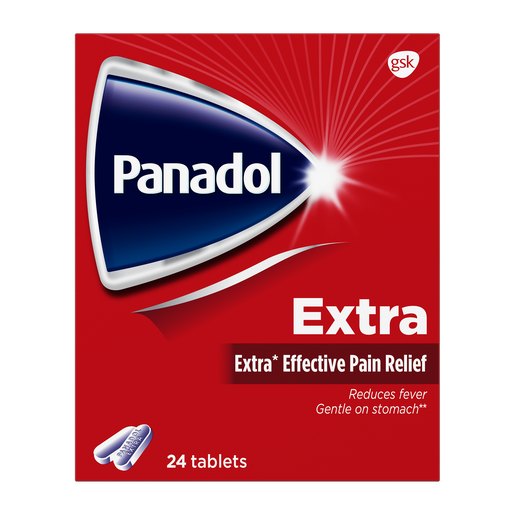 بانادول اكسترا 24 قرص Panadol Extra Tablet 24 pcs · 8.00 ر.س
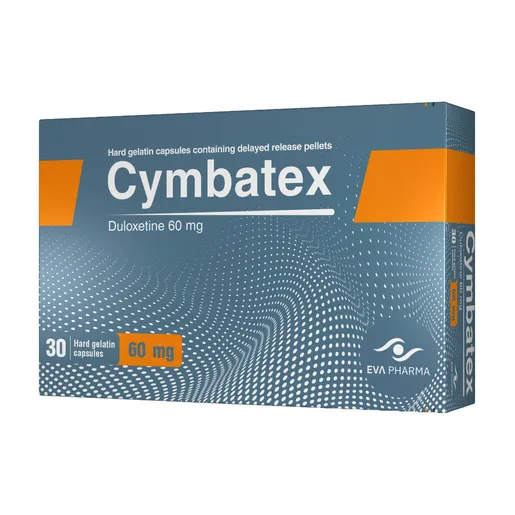 سيمباتكس، دولوكستين، 60 مجم - 30 كبسولة Cymbatex, Duloxetine, 60 Mg - 30 Capsules · 72.20 ر.س
 سيمباتيكس 30 ملغ 30 قرص Cymbatex Duloxetine 30 mg - 30 Delayed-Release Capsules · 36.10 ر.س
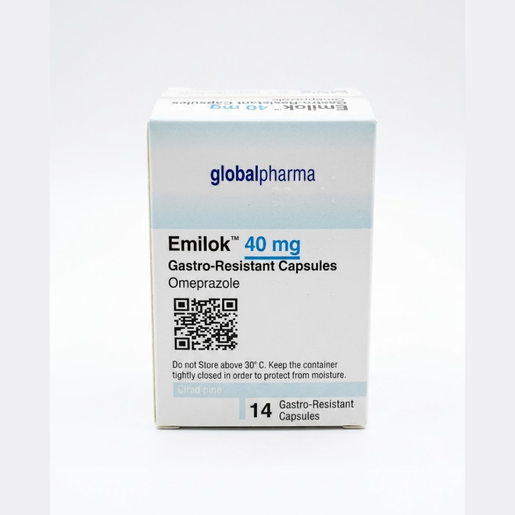 ايميلوك 40 مجم 14 كبسولة Emiloc 40 mg 14 capsules · 45.10 ر.س
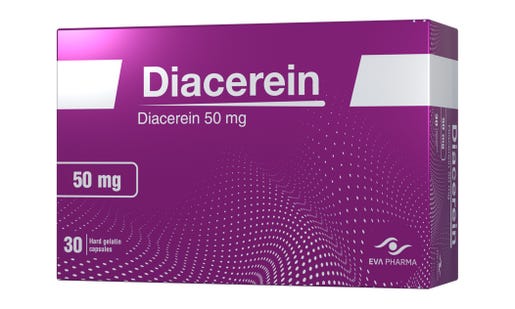 دياسيرين 50 مجم 30 كبسولة جيلاتينية صلبة Diacerein 50 Mg 30 Hard Gelatin Capsules · 53.15 ر.س
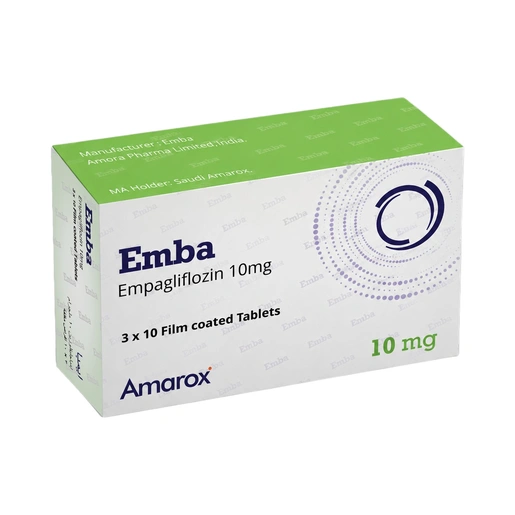 إيمبا، إمباجليفلوزين، 10 مجم - 30 قرص Emba, Empagliflozin, 10 mg - 30 Tablets · 128.40 ر.س
 فيكس، فابودروبس استحلاب منثول وبرتقال - 16 قطعة Vicks, Vapodrops Lozenges, Menthol & Orange - 16 Pcs · 30.50 ر.س
 فيكس، فابودروبس استحلاب منثول وتوت - 16 قطعة Vicks, Vapodrops Lozenges, Menthol & Berry - 16 Pcs · 30.50 ر.س
 ستربسلز ليمون خالى من السكر 36 قرص استحلاب Strepsils Lozenges Lemon Sugar Free 36 pcs · 44.00 ر.س
 ستربسلز ليمون خالى من السكر 16 قرص استحلاب Strepsils Lozenge 16pcs Lemon Sugar Free · 30.50 ر.س
 ستربسلز بالعسل والليمون 36 قرص استحلاب Strepsils Lozenges Honey & Lemon 36 pcs · 44.00 ر.س
 ستربسلز بالعسل والليمون 24 قرص استحلاب Strepsils Lozenge 24pcs Honey & Lemon · 38.00 ر.س