زيجدو اكس ار 10/1000 ملجم 28 قرص
Xigduo XR 10/1000 mg 28 tablets
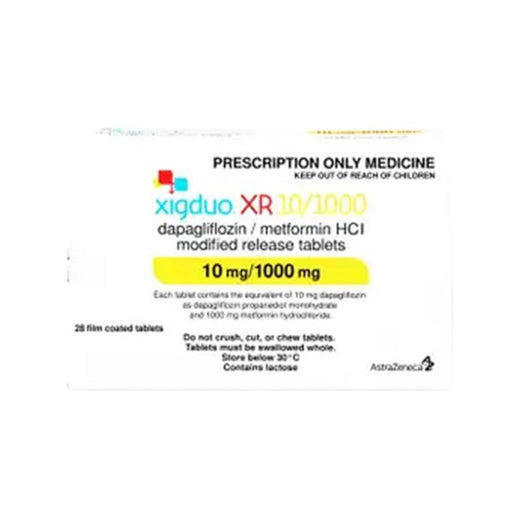
124.40 ر.س (SAR) · متوفر · توصيل مجاني في نفس اليوم
العلامة التجارية: AstraZeneca | AstraZeneca
القسم: أقراص وكبسولات
الوصف
زيجدو اكس ار 10/1000 ملجم 28 قرص ينتمي إلى مجموعة من الأدوية تسمى "مضادات السكر الفموية المكونات النشطة هي داباجليفلوزين/ميتفورمين استخدامات زيجدو اكس ار 10/1000 ملجم 28 قرص: يستخدم داباجليفلوزين/ميتفورمين لعلاج المرضى البالغين المصابين بداء السكري من النوع 2. يُعرف هذا النوع من مرض السكري أيضًا باسم داء السكري غير المعتمد على الأنسولين. كيف يعمل زيجدو اكس ار 10/1000 ملجم 28 قرص: تساعد كل من المواد الفعالة ، داباجليفلوزين/ميتفورمين ، في تنظيم مستويات السكر في الدم. تعمل المادة الفعالة داباجليفلوزين بحيث ينتج البنكرياس المزيد من الأنسولين وجلوكاجون أقل. تعمل المادة الفعالة ميتفورمين حتى يتمكن الجسم من استخدام الأنسولين بشكل أفضل. لقد ثبت أن هذا الدواء يقلل من نسبة السكر في الدم ، مما يساعد على منع مضاعفات مرض السكري. إرشادات الاستخدام: يعتمد مقدار داباجليفلوزين/ميتفورمين الذي يجب أن يتناوله الشخص على حالته / حالتها. سيخبرك الطبيب بالضبط كم عدد الأقراص التي يجب تناولها من داباجليفلوزين/ميتفورمين . استخدم هذا الدواء دائمًا تمامًا كما أخبرك طبيبك. اتصل بطبيب أو صيدلي إذا لم تكن متأكدًا. التحذيرات والإحتياطات: لا تستخدم داباجليفلوزين/ميتفورمين : إذا كنت تعاني من حساسية تجاه داباجليفلوزين أو الميتفورمين أو أي من المكونات الأخرى لهذا الدواء. تحدث إلى طبيبك قبل تناول داباجليفلوزين/ميتفورمين إذا كنت تعتقد أنك تعاني من حساسية تجاه أي من هذه المواد. إذا كنت تعاني من داء السكري غير المنضبط مع ، على سبيل المثال ، فرط سكر الدم الشديد (ارتفاع نسبة السكر في الدم) ، غثيان ، قيء ، إسهال ، فقدان سريع للوزن ، حماض لبني (انظر "خطر الإصابة بالحماض اللبني" أدناه) أو الحماض الكيتوني. الحماض الكيتوني هو حالة تتراكم فيها مواد تسمى أجسام الكيتون في الدم ، ويمكن أن يؤدي ذلك إلى الإصابة بغيبوبة السكري. تشمل الأعراض آلام المعدة ، والتنفس السريع والعميق ، والنعاس أو التنفس برائحة غير عادية وفاكهة. إذا أصبت مؤخرًا بنوبة قلبية أو كنت تعاني من قصور في القلب ، أو مشاكل خطيرة في الدورة الدموية أو مشاكل في التنفس ، والتي قد تكون علامات على مشاكل في القلب. إذا كنت تعاني من ضعف شديد في وظائف الكلى. إذا كنت تعاني من عدوى خطيرة أو تعاني من الجفاف الشديد (فقد الكثير من الماء من الجسم). إذا كنت ستحصل على أشعة سينية متباينة (نوع خاص من الأشعة السينية يتضمن صبغة قابلة للحقن). إذا كان لديك مشاكل في الكبد. إذا كنت تشرب كميات كبيرة من الكحول (إما كل يوم أو بين الحين والآخر). إذا كنت مرضعة. الأثار الجانبية المحتملة: آلام في المعدة (آلام في البطن). تشنجات العضلات. شعور عام بالضيق مع التعب الشديد. صعوبات في التنفس. انخفاض درجة حرارة الجسم والنبض.
Description
Xigduo XR 10/1000 mg 28 tablets: This medicine contains two different substances called dapagliflozin and metformin. They both belong to a group of medicines called oral antidiabetics. These are medications taken orally for diabetes. It is used for a type of diabetes called 'type 2 diabetes' in adult patients (aged 18 years and over) and usually occurs when you are older. How to use dapagliflozin/metformin: How much of this medicine you will take will vary depending on your condition and the doses of metformin you are currently taking and/or individual tablets of dapagliflozin and metformin. Your doctor will tell you exactly which strength of this medication to take. Swallow the tablet whole with half a glass of water. Take your tablet with food. This is to reduce the risk of side effects in the stomach. Take the tablet twice daily, once in the morning (breakfast) and once in the evening (dinner). The recommended dose is: 2 tablets once a day of Xigduo 5/1000 mg. One tablet of Xigduo 10/1000 mg once daily. Do not use dapagliflozin/metformin: If you are allergic to dapagliflozin, metformin, or any of the other ingredients of this medication. If you have had a diabetic coma. If you have uncontrolled diabetes, such as severe hyperglycemia, nausea, vomiting, diarrhea, rapid weight loss, lactic acidosis or ketoacidosis. If you suffer from severe kidney failure. If you have a severe infection. If you lose a lot of water from your body (dehydration), for example due to long-term or severe diarrhoea, or if you vomit several times in a row. If you have recently had a heart attack or if you have heart failure, serious circulation problems, or breathing difficulties. If you have liver problems. If you drink large amounts of alcohol, either every day or only occasionally. Warnings and precautions: Talk to your doctor, pharmacist or nurse before taking dapagliflozin/metformin, and during treatment: If you have "type 1 diabetes" — the type that usually starts when you're young, and your body doesn't produce any insulin. It should not be used to treat this condition. If you have rapid weight loss, feeling sick or sick, stomach pain, extreme thirst, fast and deep breathing, confusion, unusual sleepiness or fatigue, a sweet smell on your breath, or a sweet or metallic taste in your breath. Your mouth, smells different from urine or sweat, contact your doctor or nearest hospital immediately if you have kidney problems. Your doctor will check your kidney function. If you have very high blood glucose levels which may make you dehydrated (lose too much body fluid). Tell your doctor before you start taking this medication if you have any of these signs. If you take medicines to lower blood pressure (antihypertensives) and have a history of low blood pressure (hypotension). If you get urinary tract infections often. This medication may cause urinary tract infections and your doctor may want to monitor you closely. Possible side effects: Stop using the product and seek immediate medical attention if you experience: You experience tightness in the throat, swelling of the eyes, face, lips or tongue, or you feel faint or have difficulty breathing. Hives or itching of the face or body. Other medicines and dapagliflozin/metformin: Tell your doctor if you are taking, have recently taken or might take any other medicines: If you take medicines that increase urine production (diuretics). Your doctor may ask you to stop taking this medication. If you are taking other medications that lower the amount of sugar in the blood, such as insulin or a sulfonylurea. Your doctor may want to lower the dose of these other medicines, to prevent you from getting very low blood sugar levels (hypoglycemia). If you take cimetidine, a medicine used to treat stomach problems. If you use bronchodilators (beta 2 agonists) which are used to treat asthma. If you use corticosteroids given by mouth, injection, or inhalation. If you use medicines to treat pain and inflammation. If you use certain medicines to treat high blood pressure.
منتجات أخرى من نفس القسم
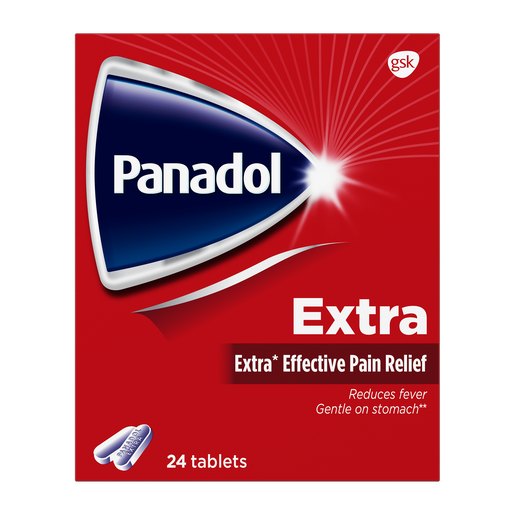 بانادول اكسترا 24 قرص Panadol Extra Tablet 24 pcs · 8.00 ر.س
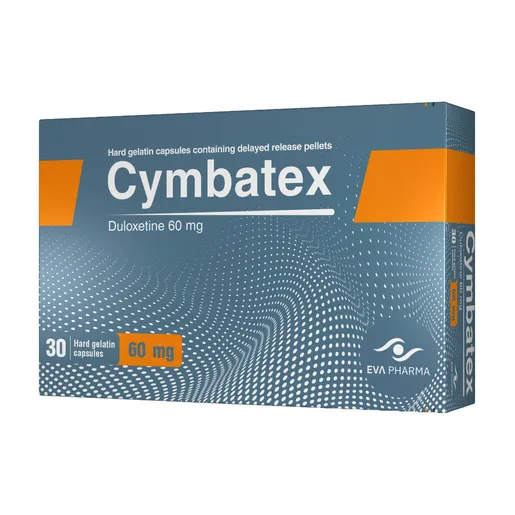 سيمباتكس، دولوكستين، 60 مجم - 30 كبسولة Cymbatex, Duloxetine, 60 Mg - 30 Capsules · 72.20 ر.س
 سيمباتيكس 30 ملغ 30 قرص Cymbatex Duloxetine 30 mg - 30 Delayed-Release Capsules · 36.10 ر.س
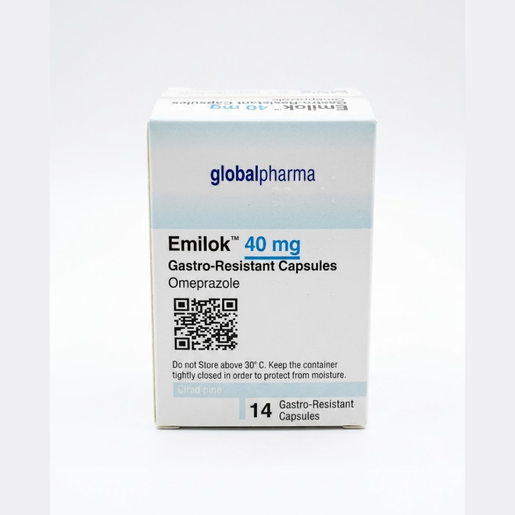 ايميلوك 40 مجم 14 كبسولة Emiloc 40 mg 14 capsules · 45.10 ر.س
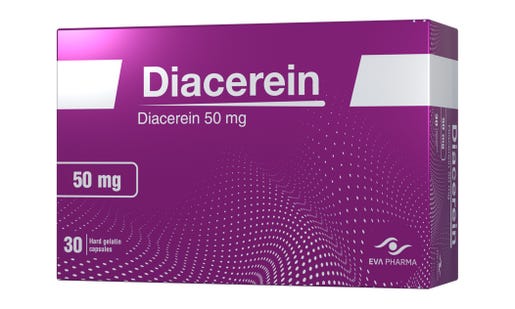 دياسيرين 50 مجم 30 كبسولة جيلاتينية صلبة Diacerein 50 Mg 30 Hard Gelatin Capsules · 53.15 ر.س
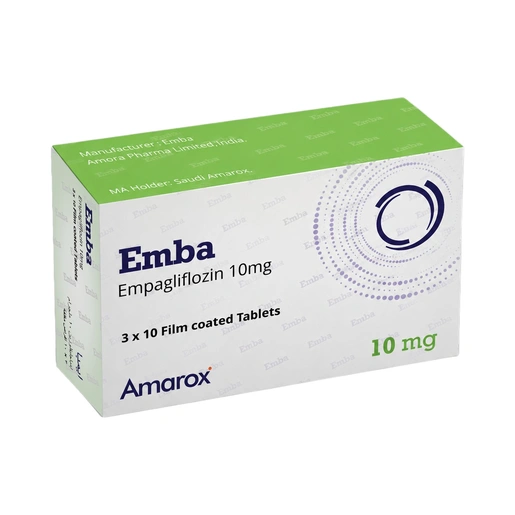 إيمبا، إمباجليفلوزين، 10 مجم - 30 قرص Emba, Empagliflozin, 10 mg - 30 Tablets · 128.40 ر.س
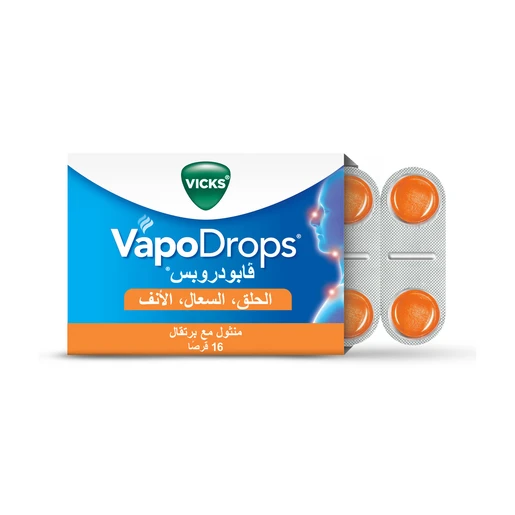 فيكس، فابودروبس استحلاب منثول وبرتقال - 16 قطعة Vicks, Vapodrops Lozenges, Menthol & Orange - 16 Pcs · 30.50 ر.س
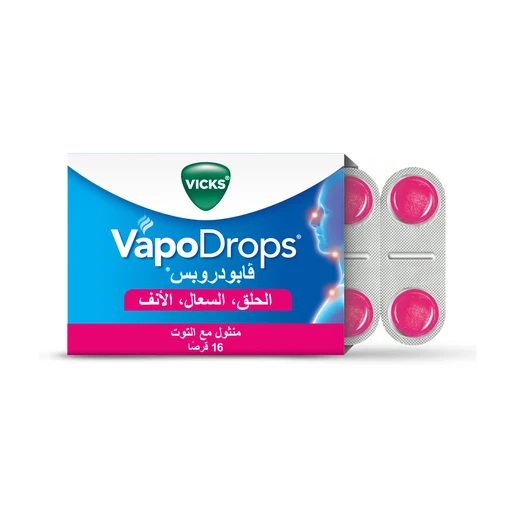 فيكس، فابودروبس استحلاب منثول وتوت - 16 قطعة Vicks, Vapodrops Lozenges, Menthol & Berry - 16 Pcs · 30.50 ر.س
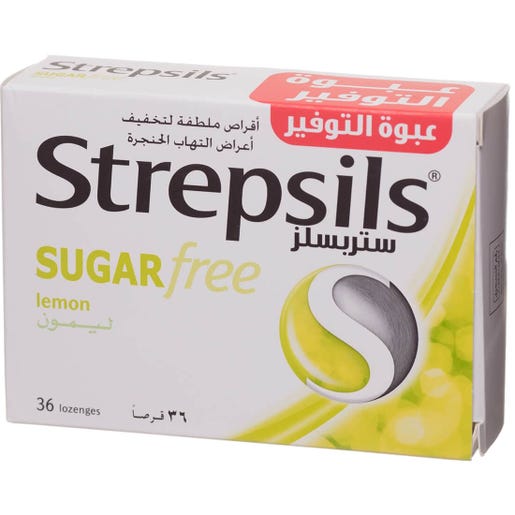 ستربسلز ليمون خالى من السكر 36 قرص استحلاب Strepsils Lozenges Lemon Sugar Free 36 pcs · 44.00 ر.س
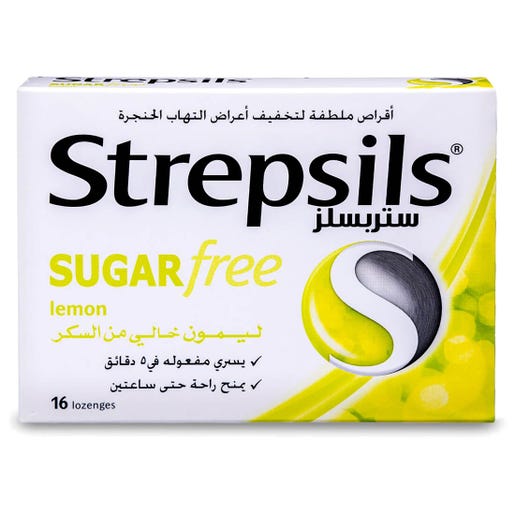 ستربسلز ليمون خالى من السكر 16 قرص استحلاب Strepsils Lozenge 16pcs Lemon Sugar Free · 30.50 ر.س
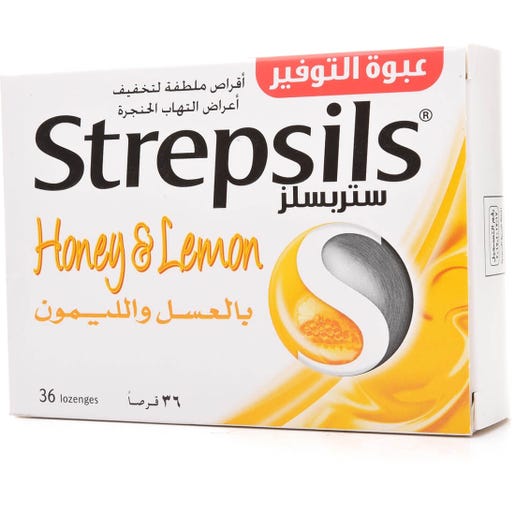 ستربسلز بالعسل والليمون 36 قرص استحلاب Strepsils Lozenges Honey & Lemon 36 pcs · 44.00 ر.س
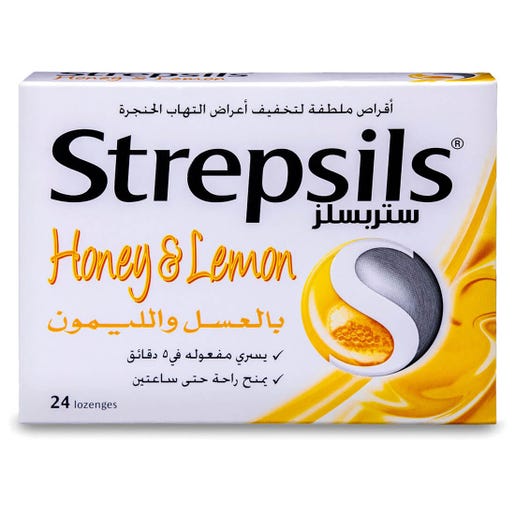 ستربسلز بالعسل والليمون 24 قرص استحلاب Strepsils Lozenge 24pcs Honey & Lemon · 38.00 ر.س