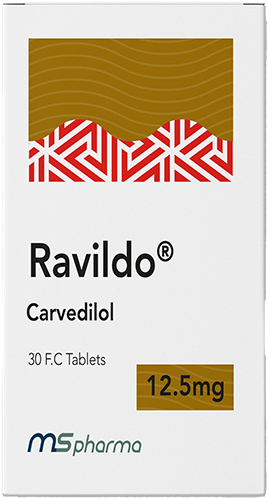
رافيلدو 12.5مجم 30 قرص
Ravildo 12.5 mg carvedilol Tablets × 30
17.60 ر.س (SAR) · متوفر · توصيل مجاني في نفس اليوم
العلامة التجارية: رافيلدو | Ravildo
القسم: أقراص وكبسولات
الوصف
وصف المنتج: ريفالدو (كارفيديلول) هو مانع متعدد المفعول لمستقبلات الأدرينالين مع خصائص حصار مستقبلات الأدرينالين α1 و β1 و β2. لقد ثبت أن كارفيديلول له تأثير وقائي للأعضاء. يقوم Carvedilol بتثبيط نظام الرينين - أنجيوتنسين - الألدوستيرون من خلال ß-blockade ، مما يقلل من إفراز الرينين ، مما يجعل احتباس السوائل أمرًا نادرًا. يقلل كارفيديلول من مقاومة الأوعية الدموية الطرفية عن طريق الحصار الانتقائي لمستقبلات ألفا 1. كارفيديلول ليس له أي تأثير سلبي على ملف الدهون. يتم الحفاظ على النسبة الطبيعية للبروتينات الدهنية عالية الكثافة إلى البروتينات الدهنية منخفضة الكثافة (HDL / LDL). الخصائص: الامتصاص: يمتص الكارفيديلول بسرعة بعد تناوله عن طريق الفم. تركيز البلازما الأقصى يتم الوصول إليه بعد حوالي ساعة إلى ساعتين. هناك استقلاب واضح للمرحلة الأولى ، والتوافر البيولوجي المطلق حوالي 25٪ (12-49٪). التوزيع: حجم التوزيع المستقر (VDss) حوالي 2 لتر / كجم. يرتبط الكارفيديلول بنسبة 98٪ ببروتينات البلازما. التمثيل الغذائي: يتم تقسيم Carvedilol بالكامل تقريبًا إلى مركبات يتم التخلص منها بشكل أساسي عبر الطريق الصفراوي. يتم استقلاب الكارفيديلول بشكل رئيسي في الكبد. الإطراح: نصف عمر كارفيديلول بعد تناوله عن طريق الفم حوالي 6-10 ساعات. تصفية البلازما 590 مل / دقيقة. القضاء هو في الغالب الصفراوية. الطريق الأساسي للتخلص هو عن طريق البراز. يتم التخلص من أقل من 2٪ من المادة غير المعدلة عن طريق البول ، وحوالي 15٪ في شكل نواتج الأيض دواعي الاستعمال: يستخدم ريفالدو في الحالات التالية: علاج ارتفاع ضغط الدم الأساسي (الخفيف إلى المتوسط) والذبحة الصدرية المزمنة للوقاية من النوبات. علاج الحالات الخفيفة إلى الشديدة من قصور القلب المستقر (NYHA class II-IV) بسبب اعتلال عضلة القلب الإقفاري كعامل مساعد للعلاج القياسي (مدرات البول ، الديجوكسين ، مثبطات الإنزيم المحول للأنجيوتنسين). - إرشادات الاستخدام: ارتفاع ضغط الدم الأساسي: للبالغين: الجرعة الأولية من رافيلدوا 12.5 مجم تعطى مرة واحدة يومياً لأول يومين. بعد ذلك بجرعة مقدارها 25 ينصح ملغ مرة واحدة يوميا. إذا كان التأثير غير كافٍ ، يمكن زيادة الجرعة اليومية بعد أسبوعين على الأقل إلى 50 مجم تؤخذ كجرعة واحدة أو جرعتين من ريفالدو. الجرعة اليومية القصوى في حالة ارتفاع ضغط الدم هي 50 مجم. المرضى كبار السن: في البداية تعطى جرعة مقدارها 12.5 ملغ من رافيلدو مرة واحدة في اليوم. في بعض المرضى ، تكون جرعة رافيلدو كافية للتحكم الكافي في ضغط الدم. إذا كان التأثير غير كافٍ ، يمكن زيادة الجرعة اليومية تدريجياً على فترات لا تقل عن أسبوعين بحد أقصى 50 مجم تؤخذ كجرعة واحدة أو جرعتين فرديتين. الذبحة الصدرية: الجرعة الأولية من رافيلدو هي 12.5 مجم مرتين يوميًا في اليومين الأولين. بعد ذلك بجرعة 25 مجم مرتين ينصح يوميا. إذا كان التأثير غير كافٍ ، يمكن زيادة الجرعة تدريجياً على فترات على الأقل أسبوعين حتى جرعة يومية قصوى قدرها l00 مجم تؤخذ كجرعتين فرديتين. المرضى كبار السن: بشكل عام يجب عدم تجاوز جرعة مقدارها 25 مجم من رافيلدو مرتين يومياً. علاج قصور القلب الخفيف الحاد (NYHA class II-IV): يجب تحديد جرعة ريفالدو بشكل فردي ويجب مراقبة المريض عن كثب أثناء المعايرة يجب تثبيت جرعة الديجيتال ومدرات البول ومثبطات الإنزيم المحول للأنجيوتنسين قبل بدء ريفالدو الجرعة الموصى بها لبدء العلاج هي 3.125 مجم من رافيلدو تؤخذ مرتين يوميا ثم الجرعة تزداد إلى 12.5 مجم مرتين يومياً ثم إلى 25 مجم مرتين يومياً. يجب زيادة الجرعة إلى أعلى مستوى يتحمله المريض. الجرعة القصوى الموصى بها هي 25 مجم مرتين يومياً للمرضى حتى وزن 85 كجم و 50 مجم مرتين يومياً عند المرضى الذين يزيد وزنهم عن 85 كجم. قبل كل زيادة في الجرعة ، يجب على الطبيب فحص المريض بحثًا عن علامات وأعراض تدهور قصور القلب ، أو توسع الأوعية (انخفاض ضغط الدم ، أو الدوخة) ، أو بطء القلب. تدهور عابر يجب معالجة قصور القلب أو احتباس السوائل بجرعات متزايدة من مدرات البول ، على الرغم من أنه سيكون من الضروري في بعض الأحيان تقليل جرعة رافيلدو أو إيقاف العلاج مؤقتًا. إذا توقف العلاج باستخدام رافيلدو لأكثر من أسبوعين ، فيجب إعادة تناوله بجرعة 3.125 مجم ؛ يجب بعد ذلك زيادة هذه الجرعة على فترات أسبوعين ، كما هو موضح أعلاه. يجب معالجة علامات وأعراض توسع الأوعية في البداية بتخفيض جرعة مدر البول. اذا هم يجب تقليل جرعة مثبط الإنزيم المحول للأنجيوتنسين ، وبعد ذلك يجب تقليل جرعة رافيلدو. في ظل هذه الظروف ، لا ينبغي زيادة جرعة رافيلدو حتى تتحسن علامات وأعراض تدهور قصور القلب أو توسع الأوعية. لم يتم التحقيق في سلامة وفعالية رافيلدو في المرضى الذين تقل أعمارهم عن 18 عامًا. مرضى القصور الكلوي: لا يلزم تخفيض الجرعة الأولية عند مرضى القصور الكلوي. مرضى الفشل الكبدي: يجب إجراء معايرة دقيقة للجرعة في حالة القصور الكبدي. يجب تناول أقراص ريفالدو بكمية كافية من السائل. المرضى الذين يعانون من قصور القلب يجب أن يتناولوا أقراص رافيلدو مع الطعام من أجل إبطاء معدل الامتصاص وتقليل حدوث التأثيرات الانتصابية. العلاج باستخدام رافيلدو هو علاج طويل الأمد بشكل عام. لا ينبغي إيقافه بشكل مفاجئ ولكن يجب تقليصه على مدى عدة أيام (على سبيل المثال عن طريق خفض الجرعة إلى النصف كل ثلاثة أيام) ، وهذا مهم بشكل خاص في المرضى الذين يعانون أيضًا من مرض الشريان التاجي. التحذيرات والاحتياطات: الموانع: فرط الحساسية للمادة الفعالة أو أي من السواغات. قصور القلب المزمن اللا تعويضي من الدرجة الثانية والرابعة من NYHA في المرضى الذين يحتاجون إلى دعم بمواد مؤثر في التقلص العضلي عن طريق الوريد. انسداد رئوي مزمن. الربو القصبي. التهاب الأنف التحسسي. وذمة المزمار. قلب رئوي. متلازمة الجيوب الأنفية المريضة (بما في ذلك الإحصار الجيبي الأذيني). كتلة AV من الدرجة الثانية والثالثة. بطء القلب الشديد (أقل من 45-50 نبضة / دقيقة عند الراحة). صدمة قلبية. احتشاء عضلة القلب مع مضاعفات. يظهر سريريا فشل الكبد. الحماض الأيضي. الإدارة المصاحبة لمثبطات MAO (باستثناء مثبطات MAO-B). مستقبلات بطيئة من debrisoquine و احتياطات: يمكن علاج المرضى الذين يعانون من ورم القواتم باستخدام كارفيديلول فقط بالتزامن مع حصار مستقبلات ألفا الفعال. يجب استخدام كارفيديلول بحذر في المرضى الذين يعانون من قصور القلب غير المعوض مع الديجيتال ومدرات البول و / أو مثبطات الإنزيم المحول للأنجيوتنسين ، لأن الديجيتال والكارفيديلول قد يطيلان التوصيل AV وقد يزيد كارفيديلول من مستويات الديجيتال. لأن التجربة العلاجية غير كافية، لا ينبغي استخدام كارفيديلول عند الأطفال. Labile أو ارتفاع ضغط الدم الثانوي. الذبحة الصدرية غير المستقرة. كتلة فرع الحزمة الكاملة. نهاية المرحلة الشريانية الطرفية مرض انسداد ، حيث قد تسبب حاصرات بيتا أو تفاقم علامات وأعراض قصور الشرايين في هؤلاء المرضى. احتشاء عضلة القلب حديثًا أو الميل إلى انخفاض ضغط الدم الانتصابي ، أو بالتزامن مع بعض العوامل الخافضة للضغط (مضادات مستقبلات ألفا 1). قد يزيد علاج حاصرات بيتا من الحساسية لمسببات الحساسية والتعرض للتفاعلات التأقية الشديدة في المرضى الذين لديهم تاريخ من تفاعلات فرط الحساسية الخطيرة والذين يخضعون لعلاجات إزالة التحسس. لذلك يجب توخي الحذر عند هؤلاء المرضى. يجب إعطاء المرضى الذين يعانون من الصدفية أو لديهم تاريخ عائلي من الصدفية أدوية ذات خصائص تحجب بيتا ، بما في ذلك Carvedilol ، فقط بعد تحليل دقيق للمخاطر والفوائد. حيث يجب التوقف عن تناول كارفيديلول في مرضى ارتفاع ضغط الدم الذين يعانون أيضًا من أمراض القلب التاجية ؛ يوصى بتخفيض الجرعة تدريجياً ، كما في حالة الأدوية الأخرى ذات خصائص حصر بيتا. حدث بطء القلب في 2٪ من مرضى ارتفاع ضغط الدم و 9٪ من مرضى قصور القلب في الدراسات السريرية. إذا كان معدل ضربات القلب أقل من 55 نبضة / دقيقة ، يجب تقليل الجرعة. حدث انخفاض ضغط الدم بنسبة 9.7 ٪ والإغماء في 4٪ من مرضى قصور القلب يعالجون بكارفيديلول. كان خطر حدوث هذه التأثيرات أكبر خلال الثلاثين يومًا الأولى من العلاج ، أي أثناء مرحلة معايرة الجرعة. مطلوب مراقبة دقيقة لضغط الدم ومعايير تخطيط القلب أثناء العلاج المصاحب بمضادات الكالسيوم من نوع فيراباميل أو ديلتيازيم أو مع مضادات اضطراب النظم الأخرى. في المرضى المسنين ، قد يتبع الجرعة الأولى من كارفيديلول انخفاض مفرط في ضغط الدم. يمكن الافتراض أنه من خلال التسبب في حاصرات بيتا ، قد يخفي كارفيديلول علامات وأعراض فرط نشاط الغدة الدرقية مثل عدم انتظام دقات القلب. قد يتبع التوقف المفاجئ لل betablockade تفاقم علامات وأعراض فرط نشاط الغدة الدرقية. مطلوب إشراف طبي دقيق بشكل خاص في مرضى السكري. يجب إخبار مرضى السكر أن كارفيديلول قد يخفي أو يخفف علامات وأعراض نقص السكر في الدم ، وخاصة عدم انتظام دقات القلب. مستويات الجلوكوز في مصل بيتا غير الانتقائية. مطلوب مراقبة منتظمة لنسبة الجلوكوز في الدم وقد يلزم تعديل جرعة الأنسولين أو العوامل المضادة لمرض السكر عن طريق الفم. قد تتفاقم الأعراض في المرضى الذين يعانون من العرج المتقطع أو ظاهرة رينود. يجب على مرتدي العدسات اللاصقة أن يضعوا في اعتبارهم إمكانية تقليل التمزق. قد يعاني مرضى قصور القلب من تفاقم قصور القلب أو احتباس السوائل خلال مرحلة معايرة الجرعة في علاج كارفيديلول. في حالة حدوث مثل هذه الآثار ، يجب زيادة جرعة مدرات البول وعدم زيادة جرعة كارفيديلول حتى تستقر حالة المريض. من حين لآخر سيكون من الضروري تقليل جرعة كارفيديلول أو التوقف عن العلاج. لوحظ تدهور قابل للانعكاس في وظائف الكلى بالاشتراك مع كارفيديلول في المرضى الذين يعانون من قصور القلب اللا تعويضي وانخفاض ضغط الدم (ضغط الدم الانقباضي <100 مم زئبق) ، أمراض القلب التاجية ، أو غيرها من أمراض الأوعية الدموية ، و / أو مع ضعف كلوي. يجب تناول أقراص ريفالدو بكمية كافية من السائل. المرضى الذين يعانون من قصور القلب يجب أن يتناولوا أقراص رافيلدو مع الطعام من أجل إبطاء معدل الامتصاص وتقليل حدوث التأثيرات الانتصابية. العلاج باستخدام رافيلدو هو علاج طويل الأمد بشكل عام. لا ينبغي إيقافه بشكل مفاجئ ولكن يجب تقليصه على مدى عدة أيام (على سبيل المثال عن طريق خفض الجرعة إلى النصف كل ثلاثة أيام) ، وهذا مهم بشكل خاص في المرضى الذين يعانون أيضًا من مرض الشريان التاجي. المكونات: ريفالدو 25: كل مضغوطة ملبسة بالفيلم تحتوي على كارفيديلول 25 ملغ في عبوات 30 مضغوطة.
Description
Product Description: Ravildo(Carvedilol) is a multiple action adrenergic receptor blocker with α1, β1, and β2 adrenergic receptor blockade properties. Carvedilol has been shown to have organ-protective effect. Carvedilol suppresses the renin–angiotensin–aldosterone system through ß-blockade, which reduces the release of renin, thus making fluid retention rare. Carvedilol reduces peripheral vascular resistance via selective blockade of α1-adrenoceptors. Carvedilol has no adverse effect on lipid profile. A normal ratio of high density lipoproteins to low density lipoproteins (HDL/LDL) is maintained. Properties: Absorption:Carvedilol is rapidly absorbed following oral administration. The maximum plasma concentration is reached after approximately 1-2 hours. There is pronounced first pass metabolism, and absolute bioavailability is approximately 25% (12-49%). Distribution:Steady state volume of distribution (VDss) is approximately 2L/kg. Carvedilol is 98% bound to plasma proteins. Metabolism: Carvedilol is almost completely brokendown into compounds that are eliminated mainly via the biliary route. Carvedilol is metabolized mainly in the liver. Elimination:The half-life of Carvedilol after oral administration is approximately 6-10 hours. Plasma clearance is 590 ml/min. Elimination is predominantly biliary. The primary route of elimination is via the feces. Less than 2% of unaltered substance is eliminated via the urine, approximately 15% in the form of metabolites Indications: Ravildois indicated for the: Treatment of essential (mild to moderate) hypertension and chronic angina pectoris for prevention of attacks. Treatment of mild to severe cases of stable heart failure (NYHA class II-IV) due to ischemia cardiomyopathy as an adjunct to standard therapy (diuretics, Digoxin, ACE inhibitors). How to use: Essential hypertension: Adults:The initial dosage ofRavildois 12.5 mg given once daily for the first two days. Thereafter a dose of 25 mg once daily is recommended. If the effect is inadequate, the daily dose may be increased after a minimum of two weeks to 50 mg taken as one or two individual dose ofRavildo. The maximum daily dose in hypertension is50 mg. Elderly patients:Initially a dose of 12.5 mg ofRavildois given once daily. In some patientsRavildodose is sufficient for adequate control of blood pressure. If the effect is inadequate, the daily dose may be increased stepwise at intervals of at least two weeks up to a maximum of 50 mg taken as one or two individual doses. Angina Pectoris: The initial dosage ofRavildois 12.5 mg given twice daily for the first two days. Thereafter a dose of 25 mg twice daily is recommended. If the effect is inadequate, the dose may be increased stepwise at intervals of at least two weeks up to a maximum daily dose of l00 mg taken as two individual doses. Elderly patients:In general a dose of 25 mg ofRavildois given twice daily should not be exceeded. Treatment of mild in severe heart failure (NYHA class II-IV): Ravildodosage must be individually determined and the patient must be closely monitored during the titration The dose of digitalis, diuretics and ACE inhibitor should have been stabilized before the start ofRavildo The recommended dosage for initiation of therapy is 3.125 mg ofRavildois taken twice daily, then the dose is increased to 12.5 mg twice daily, and then to 25 mg given twice daily. The dose should be increased to the highest level that the patient tolerates. The maximum recommended dose is 25 mg taken as twice daily in patients weighing up to 85 Kg and 50 mg twice daily in patients weighing more than 85 Kg. Before each dose increment, the physician should examine the patient for signs and symptoms of deteriorating heart failure, vasodilation (fall in blood pressure, dizziness) or bradycardia. Transient deterioration of heart failure or fluid retention should be treated with increased doses of diuretics, although it will occasionally be necessary to reduce the dose ofRavildoor to interrupt treatment temporarily. If treatment withRavildois interrupt for more than two weeks, it should be reinitiated with a dose of 3.125mg; this dose should then be increased at intervals of two weeks, as indicated above. Signs and symptoms of vasodilation should be treated initially with a reduction in the dose of diuretic. If they persist, the dose of the ACE inhibitor should be reduced, after which the dose ofRavildoshould be reduced. Under these circumstances the dose ofRavildoshould not be increased until the signs and symptoms of deterioration of heart failure or vasodilation have improved. The safety and efficacy ofRavildoin patients under age 18 years of age have not been investigated. Patients with renal impairments:No reduction in the initial dose is required in patients with renal impairment. Patients with hepatic failure: Careful dose titration should be undertaken in hepatic impairment. Correct method of administration: Ravildotablets should be taken with adequate amount of liquid. Patients with heart failure should takeRavildotablets with food in order to slow the rate of absorption and reduce the incidence of orthostatic effects. Treatment withRavildois generally long-term therapy. It should not be stopped abruptly, but must be tapered off over a number of days (e.g. by halving the dose every three days), this is particularly important in patients who also have coronary artery disease. Caution & Warnings: Contraindications: Hypersensitivity to the active ingredient or any of the excipients. Decompensated chronic heart failure of NYHA class II-IV in patients who require support with intravenous inotropic substance. Chronic obstructive pulmonary disease. Bronchial asthma. Allergic rhinitis. Glottal edema. Cor pulmonale. Sick sinus syndrome (including sinoatrial block). Second and third –degree AV block. Severe bradycardia (less than 45-50 beats/ minute at rest). Cardiogenic shock. Myocardial infraction with complication. Clinically manifest liver failure. Metabolic acidosis. Concomitant administration of MAO inhibitors (with the exception of MAO-B inhibitors). Slow metabolizers of debrisoquine and mephenytoin. Precautions: Patients with pheochromocytoma may be treated with Carvedilol only in conjunction with effective alpha receptor blockade. Carvedilol should be used with caution in patients with decompensated heart failure with digitalis, diuretics and/ or ACE inhibitors, since digitalis and Carvedilol may prolong AV conduction and Carvedilol may increase digitalis levels. Because therapeutic experience is inadequate, Carvedilol should not be used in: Children. Labile or secondary hypertension. Unstable angina pectoris. Complete bundle branch block. End-stage peripheral arterial occlusive disease, since beta blockers may cause or exacerbate signs and symptoms of arterial insufficiency in these patients. Fresh myocardial infraction or a tendency to orthostatic hypotension, or concomitantly with certain antihypertensive agents (alpha1-receptor antagonists). Beta-blocker therapy may increase sensitivity to allergens and susceptibility to severe anaphylactic reactions in patients with a history of serious hypersensitivity reactions and in those undergoing desensitization therapies. Caution is therefore required in these patients. Patients with psoriasis or a family history of psoriasis should be given drugs with beta-blocking properties, including Carvedilol, only after a careful risk-benefit analysis. Where Carvedilol has to be discontinued in hypertensive patients who also have coronary heart disease; it is recommended that the dose be reduced stepwise, as in the case of other drugs with beta-blocking properties. Bradycardia occurred in 2% of hypertensive patients and 9% of heart failure patients in clinical studies. If the heart rate falls below 55 beats/ minute, the dose should be reduced. Hypotension occurred 9.7% and syncope in 4% of heart failure patients treated with Carvedilol. Therisk of occurrence of these effects was greatest during the first 30 days of treatment, i.e. during the dose titration phase. Careful monitoring of blood pressure and ECG parameters is required during concomitant treatment with calcium antagonists of the Verapamil or Diltiazem type or with other antiarrhythmics. -In elderly patients the first dose of Carvedilol may be followed by an exaggerated fall in blood pressure. It can be assumed that by causing beta-blockers, Carvedilol may mask the signs and symptoms of hyperthyroidism such as tachycardia. Abrupt cessation of betablockade may be followed by exacerbation of the signs and symptoms of hyperthyroidism. Particularly careful medical supervision is required in patients with diabetes mellitus. Diabetics should be informed that the Carvedilol may mask or attenuate the signs and symptoms of hypoglycemia, especially tachycardia. Nonselective beta-serum glucose levels. Regular monitoring of blood glucose is required and the dose of insulin or oral antidiabetic agents may need to be adjusted. Symptoms may be exacerbated in patients with intermittent claudication or Raynaud’s phenomenon. Wearers of contact lenses should bear in mind the possibility of reduced lacrimation. -Patients with heart failure may suffer an exacerbation of heart failure or fluid retention during the dose titration phase of Carvedilol therapy. If such effects occur, the dose of diuretics should be increased and the dose of Carvedilol not increased until the patients condition stabilizes. Occasionally it will be necessary to reduce the dose of Carvedilol or discontinue treatment. Reversible deterioration of renal function has been observed in association with Carvedilol in patients with decompensated heart failure and low blood pressure (systolic pressure < 100 mm hg), coronary heart disease or other vascular disease and/or with renal impairment. Renal function returned to baseline when the medication was discontinued. In heart failure patients with these risk factors, renal function should be monitored during the dose titration phase and the dose reduced or treatment discontinued if deterioration occurs. In patients with pheochromocytoma, an alpha – blocker should be initiated prior to the use of any beta-blocker. Although Carvedilol combines both these pharmacological properties, no experience is as yet available. Therefore caution is required when Carvedilol is administered to patients with pheochromocytoma. Substances with nonselective activity can provoke chest pain in patients with Prinzmetal’s angina. No clinical experience is available on the use of Carvedilol in these patients, though the alpha-blocking activity of Carvedilol could prevent these symptoms. Due caution should be exercised when Carvedilol is administered to these patients. Patients with bronchospastic disease should generally not receive beta-blockers, since the increased airway resistance may lead to dyspnea. Nevertheless Carvedilol may be used with caution in patients who fails to respond to or do not tolerate treatment with other antihypertensives. If Carvedilol is administered, the smallest effective dose should be used with caution in order to minimize inhibition of endogenous or exogenous beta-agonists. Increased airway resistance may lead to dyspnea. Patients with bronchospastic disease were included in the clinical trials if they required no oral or inhalational medication for the treatment of their bronchospastic disease. The dosage recommendations are to be strictly observed and the dose should be reduced at the first suspicion of bronchospasm during the dose titration phase. Carvedilol can be administered to patients with left ventricular failure whose heart failure is already being treated with digitalis, diuretics and/or an ACE inhibitor. However, as these patients require a certain amount of sympathomimetic stimulation for circulatory support, the dosage recommendations for patients with heart failure should be followed. In heart failure patients with diabetes, Carvedilol therapy can lead to worsening of hyperglycemia and thus necessitate intensification of the hypoglycemic therapy. It is recommended that blood glucose levels be closely monitored when Carvedilol is used, when the dosage is adjusted or when Carvedilol is discontinued. Liver damage: Mild hepatocellular damage confirmed by rechallenge has been observed occasionally in patients treated with Carvedilol. Laboratory tests should be performed at the first symptoms or signs of hepatic impairment (e.g. pruritus, dark urine, sustained loss of appetite, jaundice, tenderness in the right upper quadrant, or unexplained flu-like symptoms). If the patient’s laboratory test results confirm the presence of liver damage jaundice, Carvedilol should be discontinued and not restarted. Effect on Ability to Drive and Use Machines: Caution is required when driving a motor vehicle and operating machinery. Particular caution is required at the start of treatment or in conjunction with alcohol. Patients should be given the following advice They should not interrupt or discontinue treatment withRavildowithout first consulting their doctor. Heart failure patients should visit their doctor at the first sign or symptom of worsening of their heart failure (weight increase or shortness of breath). Their blood pressure may fall when they stand up. Such falls in blood pressure could result in dizziness and, rarely, fainting. Patients should sit or lie down if they experience these symptoms. Patients who dizziness or tiredness should not drive vehicles or perform dangerous tasks. This applies also to all patients at the start of treatment and during the dose titration phase. They should contact their doctor if they experience dizziness or fainting during the dose titration phase. They should takeRavildowith food. Diabetic patients should inform their doctor of any change in their blood glucose level. Tear flow may be reduced in contact lens wearers. Use during Pregnancy and Lactation: Animal studies have shown adverse effects on the fetus (as Preclinical data) and no data are available in humans. Carvedilol has been found in the milk of animals. Therefore Carvedilol must not be used during pregnancy or lactation. Drug Interactions: The following interactions should be borne in mind when Carvedilol is used concomitantly with other medicinal products: Like other beta-blockers, Carvedilol may enhance the blood pressure reduction brought about by other drugs whose therapeutic or side effect profile includes the lowering of blood pressure. Concomitant use of Nifedipine and Carvedilol can result in an exaggerated fall in blood pressure. As with other beta-blockers, caution is required during concomitant treatment with calcium antagonists of the Verapamil or Diltiazem type or with other antiarrhythmics. Calcium antagonists and antiarrhythmics should therefore not be administered intravenously during treatment with Carvedilol. Clonidine may be gradually withdrawn only after treatment with Carvedilol has been discontinued several days Concomitant treatment with Ciclosporin can lead to an increased plasma concentration of Ciclosporin. Monitoring and possible dose adjustments of Ciclosporin are required. Concomitant administration of Carvedilol and cardiac glycosides can prolong atrioventricular Concomitant administration of Carvedilol and Digoxin can lead to an increase in Digoxin levels. Carvedilol can cause a clinically relevant increase (60%) in the maximum plasma concentration of Digoxin. The AUC of Digitoxin is slightly increased (+13%). It is recommended that Digoxin and Digitoxin plasma levels be determined when initiating, adjusting or discontinuing Carvedilol. Drugs that induce oxidative metabolism (e.g. Rifampicin) reduce plasma levels of Carvedilol. Inhibitors of oxidative metabolism (e.g. Cimetidine) increase plasma levels of Carvedilol (Carvedilol AUC increased by 30%). The effect of insulin or oral hypoglycemic agents may be enhanced. The signs and symptoms of hypoglycemia, especially tachycardia, may be masked or attenuated. Regular blood glucose determinations are therefore required in diabetics. Anesthesia and major operations: The additive negative inotropic and hypotensive effects of Carvedilol and anesthetics must be borne in mind in anesthesia. If treatment with Carvedilol has to be continued perioperatively, particular caution is required with the use of anesthetic agents that impair myocardial function, such as ether, cyclopropane and trichloroethylene. Ingredients: Ravildo 25: Each film coated tablet contains Carvedilol25 mg in packs of 30 tablets. Product Details: Brand: Ravildo Ingredient: Carvedilol Product Form: Tablet
منتجات أخرى من نفس القسم
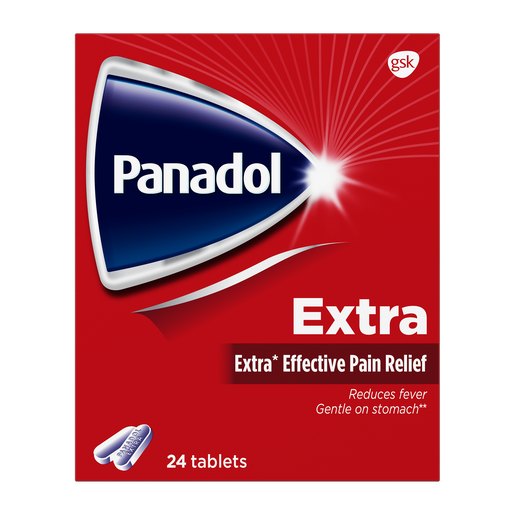 بانادول اكسترا 24 قرص Panadol Extra Tablet 24 pcs · 8.00 ر.س
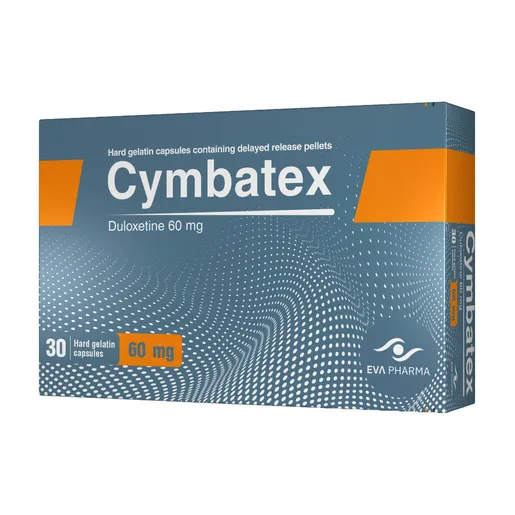 سيمباتكس، دولوكستين، 60 مجم - 30 كبسولة Cymbatex, Duloxetine, 60 Mg - 30 Capsules · 72.20 ر.س
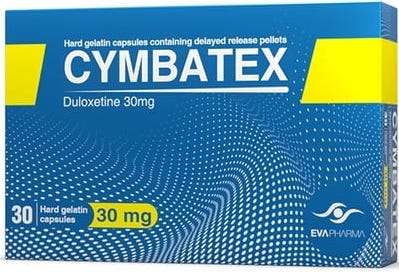 سيمباتيكس 30 ملغ 30 قرص Cymbatex Duloxetine 30 mg - 30 Delayed-Release Capsules · 36.10 ر.س
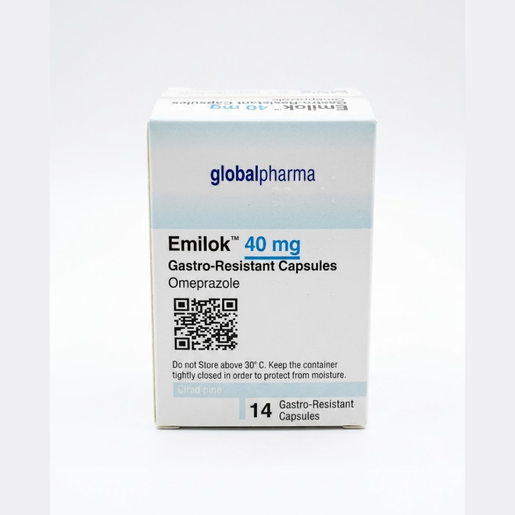 ايميلوك 40 مجم 14 كبسولة Emiloc 40 mg 14 capsules · 45.10 ر.س
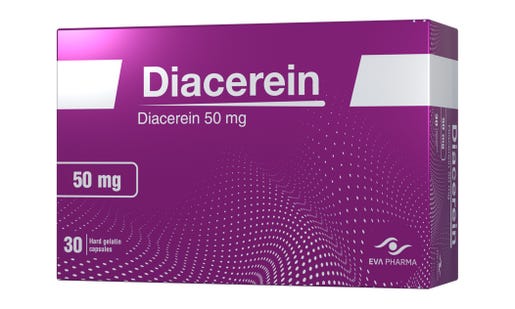 دياسيرين 50 مجم 30 كبسولة جيلاتينية صلبة Diacerein 50 Mg 30 Hard Gelatin Capsules · 53.15 ر.س
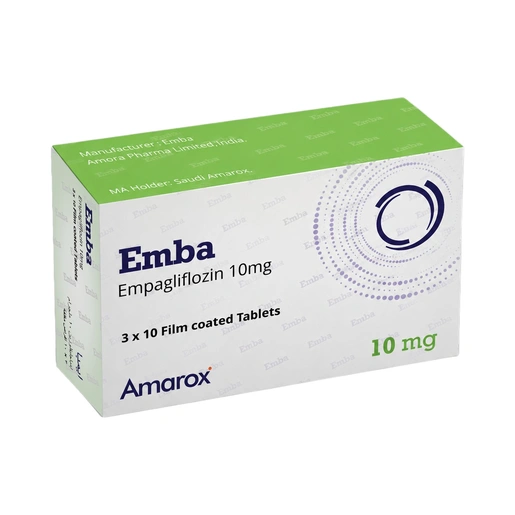 إيمبا، إمباجليفلوزين، 10 مجم - 30 قرص Emba, Empagliflozin, 10 mg - 30 Tablets · 128.40 ر.س
 فيكس، فابودروبس استحلاب منثول وبرتقال - 16 قطعة Vicks, Vapodrops Lozenges, Menthol & Orange - 16 Pcs · 30.50 ر.س
 فيكس، فابودروبس استحلاب منثول وتوت - 16 قطعة Vicks, Vapodrops Lozenges, Menthol & Berry - 16 Pcs · 30.50 ر.س
 ستربسلز ليمون خالى من السكر 36 قرص استحلاب Strepsils Lozenges Lemon Sugar Free 36 pcs · 44.00 ر.س
 ستربسلز ليمون خالى من السكر 16 قرص استحلاب Strepsils Lozenge 16pcs Lemon Sugar Free · 30.50 ر.س
 ستربسلز بالعسل والليمون 36 قرص استحلاب Strepsils Lozenges Honey & Lemon 36 pcs · 44.00 ر.س
 ستربسلز بالعسل والليمون 24 قرص استحلاب Strepsils Lozenge 24pcs Honey & Lemon · 38.00 ر.س