سيرازيت 0.075 28 قرص
Cerazette .075 mg Tablet 28pcs
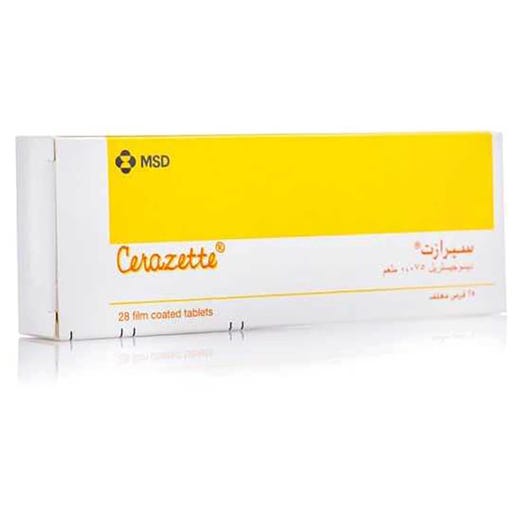
17.85 ر.س (SAR) · متوفر · توصيل مجاني في نفس اليوم
العلامة التجارية: سيرازيت | Cerazette
القسم: أقراص وكبسولات
الوصف
وصف المنتج: أقراص Cerazette® 75 ميكروغرام مغلفة . يحتوي كل قرص على 75 ميكروجرام ديوجيستريل. استخدام عن طريق الفم. إرشادات الإستخدام: يجب تناول الأقراص كل يوم في نفس الوقت تقريبًا بحيث تكون الفترة الفاصلة بين قرصين دائمًا 24 ساعة. يجب تناول القرص الأول في اليوم الأول من نزف الحيض. بعد ذلك ، يجب تناول قرص واحد كل يوم بشكل مستمر ، دون ملاحظة أي نزيف محتمل. تبدأ نفطة جديدة مباشرة في اليوم التالي للسابقة. كيف تبدأ Cerazette: لا يوجد استخدام سابق لوسائل منع الحمل الهرمونية [في الشهر الماضي]: يجب أن يبدأ أخذ الأقراص في اليوم الأول من الدورة الطبيعية للمرأة (اليوم الأول هو اليوم الأول من نزول دم الحيض). يُسمح بالبدء في الأيام 2-5 ، ولكن خلال الدورة الأولى ، يُنصح باستخدام طريقة الحاجز للأيام السبعة الأولى من أخذ الأجهزة اللوحية. بعد الإجهاض في الأثلوث الأول: بعد الإجهاض في الثلث الأول من الحمل ، يوصى بالبدء على الفور. في هذه الحالة ليست هناك حاجة لاستخدام وسيلة إضافية لمنع الحمل. بعد الولادة أو الإجهاض في الأثلوث الثاني: يجب نصح المرأة بالبدء في أي يوم بين اليوم 21 إلى 28 بعد الولادة أو الإجهاض في الأثلوث الثاني. عند البدء في وقت لاحق ، يجب نصحها باستخدام طريقة الحاجز بالإضافة إلى ذلك حتى الانتهاء من الأيام السبعة الأولى من أخذ الأجهزة اللوحية. ومع ذلك ، إذا حدث الجماع بالفعل ، فيجب استبعاد الحمل قبل البدء الفعلي لاستخدام Cerazette أو يتعين على المرأة انتظار أول دورة شهرية لها. كيف تبدأ Cerazette عند التغيير من وسائل منع الحمل الأخرى: التغيير من موانع الحمل الهرمونية المركبة (موانع الحمل الفموية المركبة (COC) ، الحلقة المهبلية ، أو اللصقة عبر الجلد). يجب أن تبدأ المرأة Cerazette بشكل مفضل في اليوم التالي لآخر قرص نشط (آخر قرص يحتوي على المواد الفعالة) من موانع الحمل الفموية السابقة أو في يوم إزالة الحلقة المهبلية أو الرقعة عبر الجلد. في هذه الحالات ، لا يلزم استخدام وسيلة إضافية لمنع الحمل: قد تبدأ المرأة أيضًا في موعد أقصاه في اليوم التالي للفاصل الزمني المعتاد بين الأقراص الخالية من الأقراص ، والخالية من التصحيح ، والخالية من الحلقات ، أو أقراص الدواء الوهمي لوسائل منع الحمل الهرمونية المركبة السابقة ، ولكن خلال الأيام السبعة الأولى من تناول الأقراص حاجزًا إضافيًا الطريقة الموصى بها. التغيير من طريقة البروجستيرون فقط (الحبة الصغيرة ، الحقن ، الزرع أو من نظام داخل الرحم يفرز البروجستيرون [IUS]). قد تنتقل المرأة في أي يوم من الحبة الصغيرة (من الغرسة أو اللولب الهرموني (IUS) في يوم إزالتها ، من الحقن عندما يحين موعد الحقنة التالية). التحكم بالأقراص الفائتة: يمكن تقليل حماية وسائل منع الحمل إذا انقضت أكثر من 36 ساعة بين قرصين. إذا تأخر المستخدم عن تناول أي جهاز لوحي أقل من 12 ساعة ، يجب تناول القرص المفقود بمجرد تذكره ويجب تناول القرص التالي في الوقت المعتاد. إذا تأخرت أكثر من 12 ساعة ، فعليها استخدام وسيلة إضافية لمنع الحمل خلال الأيام السبعة المقبلة. إذا فقدت الأقراص في الأسبوع الأول بعد بدء تناول Cerazette وحدث الجماع في الأسبوع الذي يسبق تفويت الأقراص ، ينبغي النظر في إمكانية حدوث الحمل. نصيحة في حالة اضطرابات الجهاز الهضمي: في حالة حدوث اضطرابات معدية معوية شديدة ، قد لا يكون الامتصاص كاملاً ويجب اتخاذ تدابير إضافية لمنع الحمل. إذا حدث القيء في غضون 3-4 ساعات بعد تناول الأقراص ، فقد لا يكتمل الامتصاص. في مثل هذه الحالة ، فإن النصيحة المتعلقة بفقدان الأجهزة اللوحية ، كما هو مذكور في القسم 4.2 قابلة للتطبيق. متابعه العلاج: قبل الوصفة الطبية ، يجب أخذ تاريخ شامل للحالة ويوصى بإجراء فحص شامل لأمراض النساء لاستبعاد الحمل. يجب التحقيق في اضطرابات النزيف ، مثل قلة الطمث وانقطاع الطمث قبل الوصفة الطبية. تعتمد الفترة الفاصلة بين الفحوصات على الظروف في كل حالة على حدة. إذا كان المنتج الموصوف قد يؤثر بشكل محتمل على مرض كامن أو واضح يجب أن يتم توقيت امتحانات المراقبة وفقًا لذلك. على الرغم من حقيقة أن Cerazette يتم تناوله بانتظام ، فقد تحدث اضطرابات في النزيف. إذا كان النزيف متكررًا جدًا وغير منتظم ، فيجب التفكير في طريقة أخرى لمنع الحمل. إذا استمرت الأعراض ، فيجب استبعاد سبب عضوي. تعتمد إدارة انقطاع الطمث أثناء العلاج على ما إذا كانت الأقراص قد تم تناولها وفقًا للتعليمات وقد تشمل اختبار الحمل. يجب إيقاف العلاج في حالة حدوث حمل. يجب إخطار النساء بأن Cerazette لا يحمي من فيروس نقص المناعة البشرية (الإيدز) وغيره من الأمراض المنقولة جنسياً. موانع الإستخدام: اضطراب الانسداد التجلطي الوريدي النشط. وجود أو تاريخ من الإصابة بأمراض الكبد الوخيمة طالما أن قيم وظائف الكبد لم تعد إلى وضعها الطبيعي. الأورام الخبيثة الحساسة المعروفة أو المشتبه في إصابتها بالستيرويد الجنسي. نزيف مهبلي غير مشخص. فرط الحساسية للمادة الفعالة . التحذيرات والاحتياطات: إذا تم ذكر أي من الشروط / عوامل الخطر أدناه ، يجب موازنة فوائد استخدام البروجستيرون مقابل المخاطر المحتملة لكل امرأة على حدة ومناقشتها مع المرأة قبل أن تقرر البدء باستخدام Cerazette. في حالة تفاقم أو تفاقم أو ظهور أي من هذه الحالات لأول مرة ، يجب على المرأة الاتصال بطبيبها. يجب على الطبيب بعد ذلك أن يقرر ما إذا كان يجب التوقف عن استخدام Cerazette. يزداد خطر الإصابة بسرطان الثدي بشكل عام مع تقدم العمر. أثناء استخدام موانع الحمل الفموية المشتركة (COCs) ، يزداد خطر الإصابة بسرطان الثدي زيادة طفيفة. يختفي هذا الخطر المتزايد تدريجياً في غضون 10 سنوات بعد التوقف عن استخدام موانع الحمل الفموية ولا يرتبط بمدة الاستخدام ، ولكن بعمر المرأة عند استخدام موانع الحمل الفموية. تم حساب العدد المتوقع للحالات التي تم تشخيصها لكل 10000 امرأة يستخدمن موانع الحمل الفموية (حتى 10 سنوات بعد التوقف) مقارنة بالمستخدمين مطلقًا خلال نفس الفترة للفئات العمرية المعنية ويتم تقديمه في الجدول أدناه. من المحتمل أن تكون المخاطر التي يتعرض لها مستخدمو موانع الحمل التي تحتوي على البروجستيرون فقط (POCs) ، مثل Cerazette ، ذات حجم مماثل لتلك المرتبطة بموانع الحمل الفموية المشتركة. ومع ذلك ، بالنسبة لـ POCs ، فإن الأدلة أقل حسمًا. بالمقارنة مع خطر الإصابة بسرطان الثدي على الإطلاق في الحياة ، فإن المخاطر المتزايدة المرتبطة بمرض موانع الحمل الفموية منخفضة. تميل حالات سرطان الثدي التي تم تشخيصها لدى مستخدمي موانع الحمل الفموية إلى أن تكون أقل تقدمًا من أولئك الذين لم يستخدموا موانع الحمل الفموية. قد يكون الخطر المتزايد لدى مستخدمي COC بسبب التشخيص المبكر أو الآثار البيولوجية للحبوب أو مزيج من الاثنين معًا. بما أن التأثير البيولوجي للمركبات بروجستيرونية المفعول على سرطان الكبد لا يمكن استبعاده ، يجب إجراء تقييم للمخاطر / الفوائد الفردية لدى النساء المصابات بسرطان الكبد. عند حدوث اضطرابات حادة أو مزمنة في وظائف الكبد ، يجب إحالة المرأة إلى أخصائي للفحص والمشورة. ربطت التحقيقات الوبائية استخدام موانع الحمل الفموية مع زيادة حدوث الجلطات الدموية الوريدية (VTE ، تخثر وريدي عميق وانصمام رئوي). على الرغم من أن الأهمية السريرية لهذه النتيجة بالنسبة لـ desogestrel كوسيلة لمنع الحمل في غياب مكون الاستروجين غير معروفة ، يجب إيقاف Cerazette في حالة حدوث تجلط الدم. يجب أيضًا مراعاة التوقف عن استخدام Cerazette في حالة عدم الحركة على المدى الطويل بسبب الجراحة أو المرض. يجب توعية النساء اللواتي لديهن تاريخ من الاضطرابات الانصمامية الخثارية بإمكانية تكرارها. على الرغم من أن المركبات بروجستيرونية المفعول قد يكون لها تأثير على مقاومة الأنسولين المحيطية وتحمل الجلوكوز ، فلا يوجد دليل على الحاجة إلى تغيير النظام العلاجي لمرضى السكر باستخدام حبوب البروجستيرون فقط. ومع ذلك ، يجب مراقبة مرضى السكري بعناية خلال الأشهر الأولى من الاستخدام. إذا تطور ارتفاع ضغط الدم المستمر أثناء استخدام Cerazette ، أو إذا كانت الزيادة الكبيرة في ضغط الدم لا تستجيب بشكل كافٍ للعلاج الخافض للضغط ، فيجب النظر في التوقف عن استخدام Cerazette. يؤدي العلاج بـ Cerazette إلى انخفاض مستويات مصل الإستراديول ، إلى مستوى يتوافق مع المرحلة الجرابية المبكرة. لا يزال من غير المعروف ما إذا كان هذا الانخفاض له أي تأثير سريري مناسب على كثافة المعادن في العظام. إن الحماية باستخدام حبوب منع الحمل التقليدية التي تحتوي على البروجستيرون فقط ضد الحمل خارج الرحم ليست بنفس جودة موانع الحمل الفموية المركبة ، والتي ارتبطت بتكرار حدوث التبويض أثناء استخدام حبوب البروجستيرون فقط. على الرغم من حقيقة أن Cerazette يمنع الإباضة باستمرار ، يجب أن يؤخذ الحمل خارج الرحم في الاعتبار عند التشخيص التفريقي إذا كانت المرأة تعاني من انقطاع الحيض أو آلام في البطن. قد يحدث الكلف في بعض الأحيان ، خاصة عند النساء اللواتي لديهن تاريخ من الكلف الحملي. يجب على النساء المصابات بالكلف تجنب التعرض لأشعة الشمس أو الأشعة فوق البنفسجية أثناء تناول Cerazette. تم الإبلاغ عن الحالات التالية أثناء الحمل وأثناء استخدام الستيرويد الجنسي ، ولكن لم يتم إثبات وجود ارتباط مع استخدام المركبات بروجستيرونية المفعول: اليرقان و / أو الحكة المرتبطة بالركود الصفراوي. تشكيل حصوة البورفيريا. الذئبة الحمامية الجهازية؛ متلازمة انحلال الدم الانحلالي. رقص سيدنهام الهربس الحملي فقدان السمع المرتبط بتصلب الأذن. (وراثي) وذمة وعائية. المزاج المكتئب والاكتئاب من الآثار غير المرغوب فيها المعروفة لاستخدام موانع الحمل الهرمونية. يمكن أن يكون الاكتئاب خطيرًا وهو عامل خطر معروف للسلوك الانتحاري والانتحار. يجب نصح النساء بالاتصال بطبيبهن في حالة تغير المزاج وأعراض الاكتئاب ، بما في ذلك بعد وقت قصير من بدء العلاج. يمكن تقليل فعالية Cerazette في حالة فقد الأقراص أو الاضطرابات المعدية المعوية أو الأدوية المصاحبة التي تقلل تركيز البلازما لـ etonogestrel ، المستقلب النشط لـ desogestrel. يحتوي Cerazette على اللاكتوز وبالتالي لا ينبغي إعطاؤه للمرضى الذين يعانون من مشاكل وراثية نادرة من عدم تحمل الجالاكتوز أو نقص اللاكتاز أو الجلوكوز والجالاكتوز
Description
Product Description: Cerazette® 75 microgram film-coated tablets. Each tablet contains 75 microgram desogestrel. Oral use. How To Use: Tablets must be taken every day at about the same time so that the interval between two tablets always is 24 hours. The first tablet should be taken on the first day of menstrual bleeding. Thereafter one tablet each day is to be taken continuously, without taking any notice on possible bleeding. A new blister is started directly the day after the previous one. How to start Cerazette: No preceding hormonal contraceptive use [in the past month: Tablet-taking has to start on day 1 of the woman's natural cycle (day 1 is the first day of her menstrual bleeding). Starting on days 2-5 is allowed, but during the first cycle a barrier method is recommended for the first 7 days of tablet-taking. Following first-trimester abortion: After first-trimester abortion it is recommended to start immediately. In that case there is no need to use an additional method of contraception. Following delivery or second-trimester abortion: The woman should be advised to start any day between day 21 to 28 after delivery or second-trimester abortion. When starting later, she should be advised to additionally use a barrier method until completion of the first 7 days of tablet-taking. However, if intercourse has already occurred, pregnancy should be excluded before the actual start of Cerazette use or the woman has to wait for her first menstrual period. How to start Cerazette when changing from other contraceptive methods: Changing from a combined hormonal contraceptive (combined oral contraceptive (COC), vaginal ring, or transdermal patch). The woman should start Cerazette preferably on the day after the last active tablet (the last tablet containing the active substances) of her previous COC or on the day of removal of her vaginal ring or transdermal patch. In these cases, the use of an additional contraceptive is not necessary: The woman may also start at the latest on the day following the usual tablet-free, patch-free, ring-free, or placebo tablet interval of her previous combined hormonal contraceptive, but during the first 7 days of tablet-taking an additional barrier method is recommended. Changing from a progestogen-only-method (minipill, injection, implant or from a progestogen-releasing intrauterine system [IUS]). The woman may switch any day from the minipill (from an implant or the IUS on the day of its removal, from an injectable when the next injection would be due). Management of missed tablets: Contraceptive protection may be reduced if more than 36 hours have elapsed between two tablets. If the user is less than 12 hours late in taking any tablet, the missed tablet should be taken as soon as it is remembered and the next tablet should be taken at the usual time. If she is more than 12 hours late, she should use an additional method of contraception for the next 7 days. If tablets were missed in the first week after initiation of Cerazette and intercourse took place in the week before the tablets were missed, the possibility of a pregnancy should be considered. Advice in case of Gastrointestinal Disturbances: In case of severe gastro-intestinal disturbance, absorption may not be complete and additional contraceptive measures should be taken. If vomiting occurs within 3-4 hours after tablet-taking, absorption may not be complete. In such an event, the advice concerning missed tablets, as given in section 4.2 is applicable. Treatment surveillance: Before prescription, a thorough case history should be taken and a thorough gynaecological examination is recommended to exclude pregnancy. Bleeding disturbances, such as oligomenorrhoea and amenorrhoea should be investigated before prescription. The interval between check-ups depends on the circumstances in each individual case. If the prescribed product may conceivably influence latent or manifest disease the control examinations should be timed accordingly. Despite the fact that Cerazette is taken regularly, bleeding disturbances may occur. If bleeding is very frequent and irregular, another contraceptive method should be considered. If the symptoms persist, an organic cause should be ruled out. Management of amenorrhoea during treatment depends on whether or not the tablets have been taken in accordance with the instructions and may include a pregnancy test. The treatment should be stopped if a pregnancy occurs. Women should be advised that Cerazette does not protect against HIV (AIDS) and other sexually transmitted diseases. Contraindications: Active venous thromboembolic disorder. Presence or history of severe hepatic disease as long as liver function values have not returned to normal. Known or suspected sex-steroid sensitive malignancies. Undiagnosed vaginal bleeding. Hypersensitivity to the active substance or to any of the excipients listed in section . Warnings & Precautions: If any of the conditions/risk factors mentioned below is present, the benefits of progestogen use should be weighed against the possible risks for each individual woman and discussed with the woman before she decides to start with Cerazette. In the event of aggravation, exacerbation, or first appearance of any of these conditions, the woman should contact her physician. The physician should then decide on whether the use of Cerazette should be discontinued. The risk for breast cancer increases in general with increasing age. During use of combined oral contraceptives (COCs) the risk of having breast cancer diagnosed is slightly increased. This increased risk disappears gradually within 10 years after discontinuation of COC use and is not related to the duration of use, but to the age of the woman when using the COC. The expected number of cases diagnosed per 10,000 women who use COCs (up to 10 years after stopping) relative to never users over the same period has been calculated for the respective age groups and is presented in the table below. The risk in users of progestogen-only contraceptives (POCs), such as Cerazette, is possibly of similar magnitude as that associated with COCs. However, for POCs the evidence is less conclusive. Compared to the risk of getting breast cancer ever in life, the increased risk associated with COCs is low. The cases of breast cancer diagnosed in COC users tend to be less advanced than in those who have not used COCs. The increased risk in COC users may be due to an earlier diagnosis, biological effects of the pill or a combination of both. Since a biological effect of progestogens on liver cancer cannot be excluded an individual benefit/risk assessment should be made in women with liver cancer. When acute or chronic disturbances of liver function occur the woman should be referred to a specialist for examination and advice. Epidemiological investigations have associated the use of COCs with an increased incidence of venous thromboembolism (VTE, deep venous thrombosis and pulmonary embolism). Although the clinical relevance of this finding for desogestrel used as a contraceptive in the absence of an oestrogenic component is unknown, Cerazette should be discontinued in the event of a thrombosis. Discontinuation of Cerazette should also be considered in case of long-term immobilisation due to surgery or illness. Women with a history of thrombo-embolic disorders should be made aware of the possibility of a recurrence. Although progestogens may have an effect on peripheral insulin resistance and glucose tolerance, there is no evidence for a need to alter the therapeutic regimen in diabetics using progestogen-only pills. However, diabetic patients should be carefully observed during the first months of use. If a sustained hypertension develops during the use of Cerazette, or if a significant increase in blood pressure does not adequately respond to antihypertensive therapy, the discontinuation of Cerazette should be considered. Treatment with Cerazette leads to decreased estradiol serum levels, to a level corresponding with the early follicular phase. It is as yet unknown whether the decrease has any clinically relevant effect on bone mineral density. The protection with traditional progestogen-only pills against ectopic pregnancies is not as good as with combined oral contraceptives, which has been associated with the frequent occurrence of ovulations during the use of progestogen-only pills. Despite the fact that Cerazette consistently inhibits ovulation, ectopic pregnancy should be taken into account in the differential diagnosis if the woman gets amenorrhoea or abdominal pain. Chloasma may occasionally occur, especially in women with a history of chloasma gravidarum. Women with a tendency to chloasma should avoid exposure to the sun or ultraviolet radiation whilst taking Cerazette. The following conditions have been reported both during pregnancy and during sex steroid use, but an association with the use of progestogens has not been established: jaundice and/or pruritus related to cholestasis; gallstone formation; porphyria; systemic lupus erythematosus; haemolytic uraemic syndrome; Sydenham's chorea; herpes gestationis; otosclerosis-related hearing loss; (hereditary) angioedema. Depressed mood and depression are well-known undesirable effects of hormonal contraceptive use. Depression can be serious and is a well-known risk factor for suicidal behaviour and suicide. Women should be advised to contact their physician in case of mood changes and depressive symptoms, including shortly after initiating the treatment. The efficacy of Cerazette may be reduced in the event of missed tablets , gastro-intestinal disturbances or concomitant medications that decrease the plasma concentration of etonogestrel, the active metabolite of desogestrel . Cerazette contains lactose and therefore should not be administered to patients with rare hereditary problems of galactose intolerance, the Lapp lactase deficiency, or glucose-galactose malabsorption.
منتجات أخرى من نفس القسم
 بانادول اكسترا 24 قرص Panadol Extra Tablet 24 pcs · 8.00 ر.س
 سيمباتكس، دولوكستين، 60 مجم - 30 كبسولة Cymbatex, Duloxetine, 60 Mg - 30 Capsules · 72.20 ر.س
 سيمباتيكس 30 ملغ 30 قرص Cymbatex Duloxetine 30 mg - 30 Delayed-Release Capsules · 36.10 ر.س
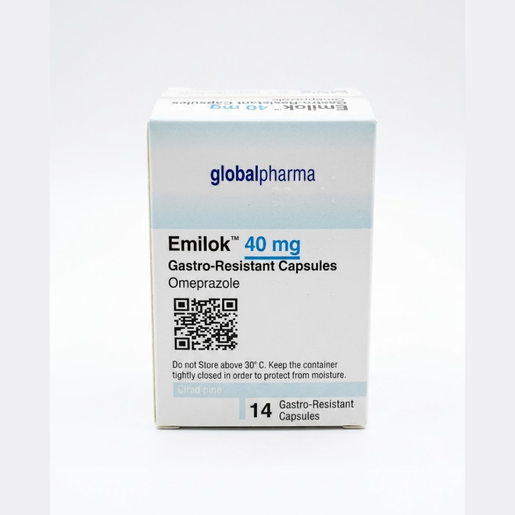 ايميلوك 40 مجم 14 كبسولة Emiloc 40 mg 14 capsules · 45.10 ر.س
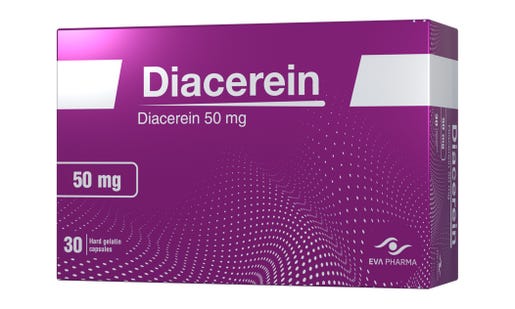 دياسيرين 50 مجم 30 كبسولة جيلاتينية صلبة Diacerein 50 Mg 30 Hard Gelatin Capsules · 53.15 ر.س
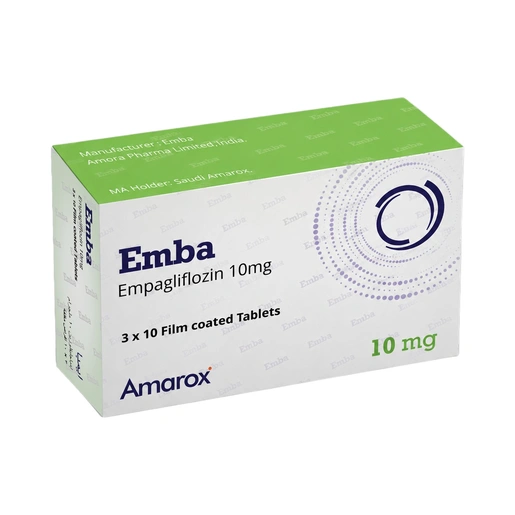 إيمبا، إمباجليفلوزين، 10 مجم - 30 قرص Emba, Empagliflozin, 10 mg - 30 Tablets · 128.40 ر.س
 فيكس، فابودروبس استحلاب منثول وبرتقال - 16 قطعة Vicks, Vapodrops Lozenges, Menthol & Orange - 16 Pcs · 30.50 ر.س
 فيكس، فابودروبس استحلاب منثول وتوت - 16 قطعة Vicks, Vapodrops Lozenges, Menthol & Berry - 16 Pcs · 30.50 ر.س
 ستربسلز ليمون خالى من السكر 36 قرص استحلاب Strepsils Lozenges Lemon Sugar Free 36 pcs · 44.00 ر.س
 ستربسلز ليمون خالى من السكر 16 قرص استحلاب Strepsils Lozenge 16pcs Lemon Sugar Free · 30.50 ر.س
 ستربسلز بالعسل والليمون 36 قرص استحلاب Strepsils Lozenges Honey & Lemon 36 pcs · 44.00 ر.س
 ستربسلز بالعسل والليمون 24 قرص استحلاب Strepsils Lozenge 24pcs Honey & Lemon · 38.00 ر.س